
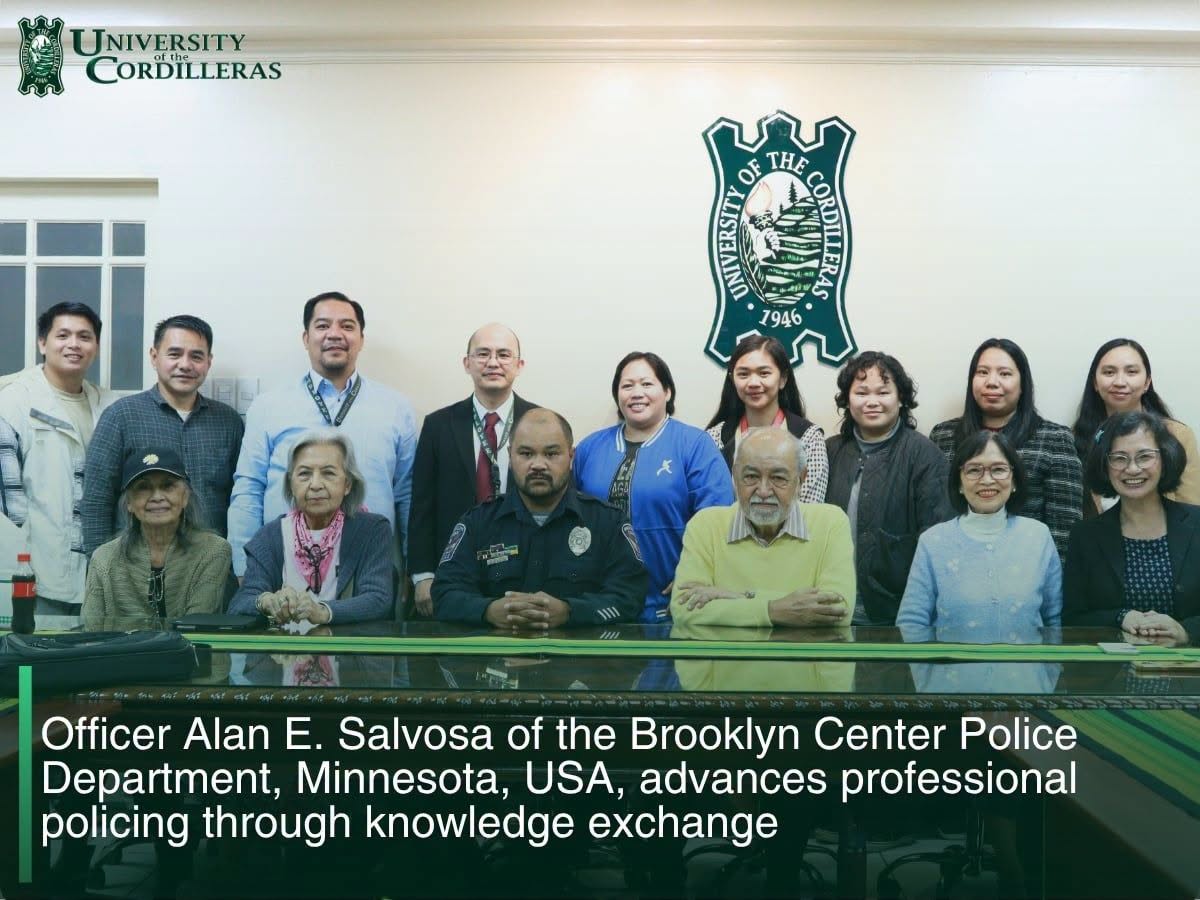
On August 18, 2026, the University of the Cordilleras strengthened its commitment to professional learning and human rights education through a learning engagement with Officer Alan E. Salvosa of the Brooklyn Center Police Department, Minnesota, USA.
The event formalized as the Dean of the College of Criminal Justice Education (CCJE), Dr. Robino D. Cawi, presented the achievements of the college, their current curriculum, as well as where they will stand in the future. After which, Officer Salvosa facilitated the focused group discussion presenting an exchange of insights on contemporary policing practices. Drawing from his firsthand experiences in policing, Officer Salvosa discussed how case law and court decisions shape police practices, emphasizing that developments in Supreme Court rulings can directly influence how officers approach and respond to the use of force.
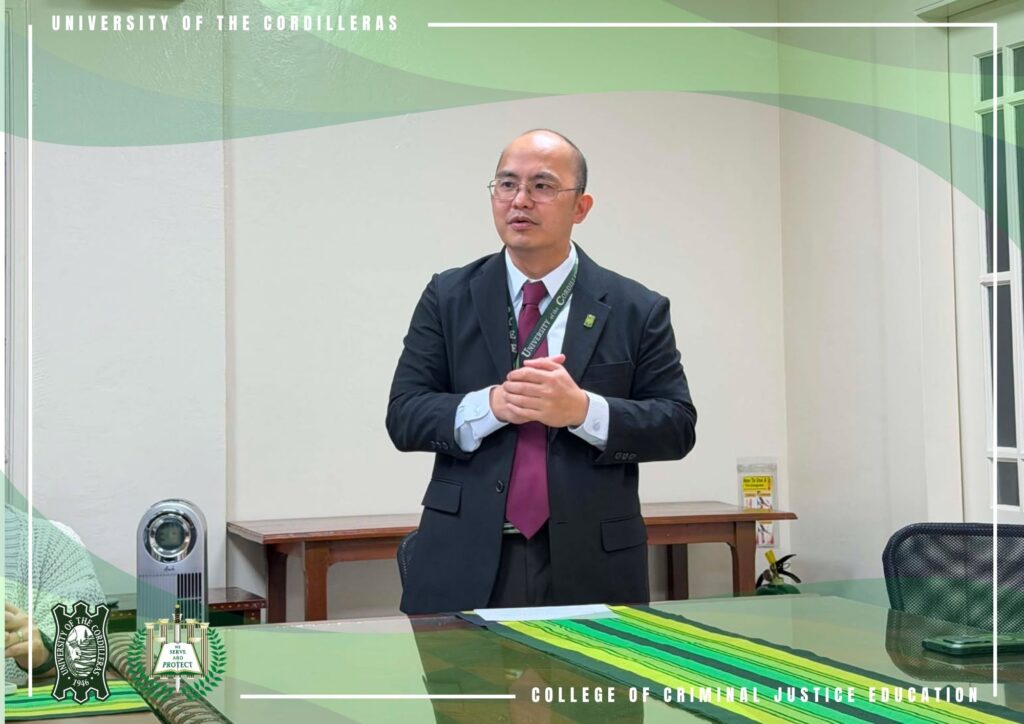
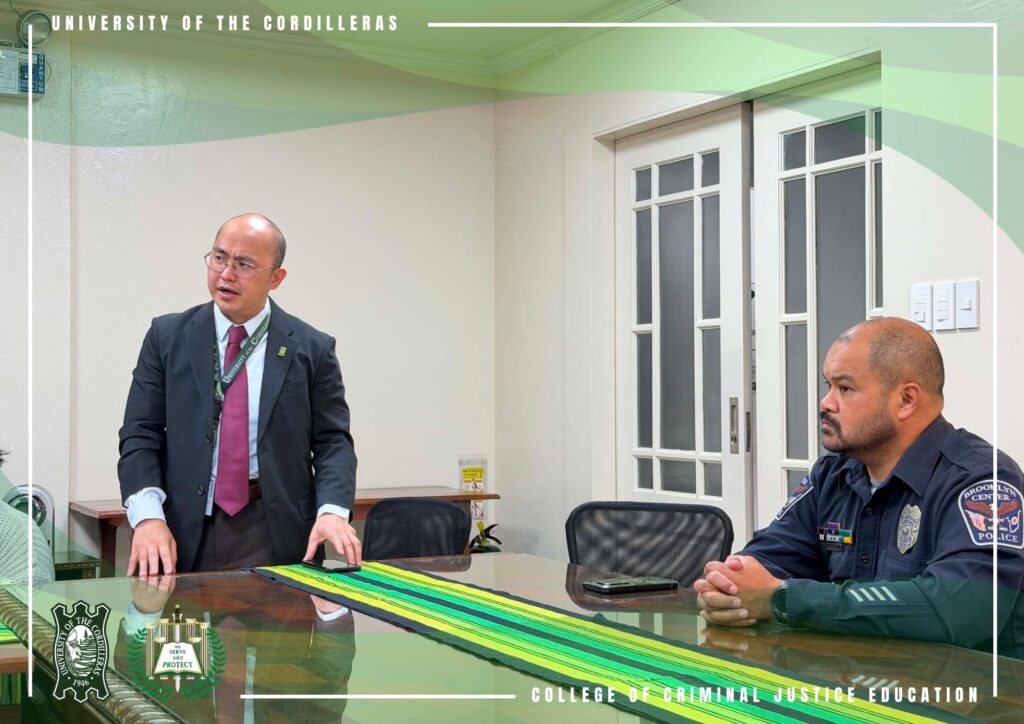
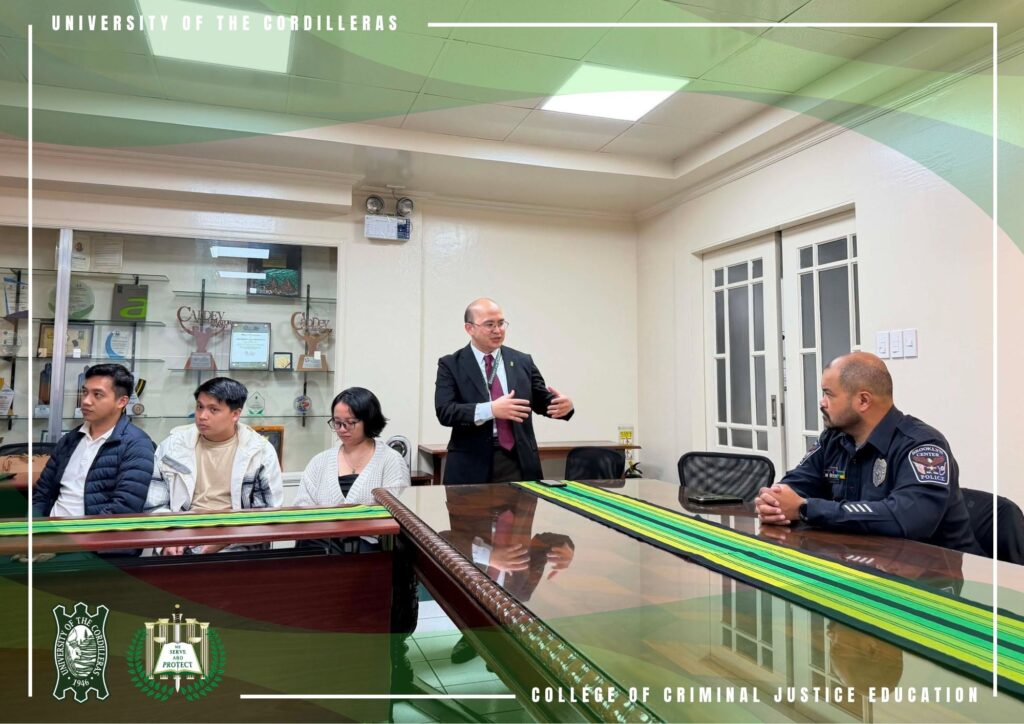
Dr. Ariel Pumecha introducing Officer Alan to the Faculty and Staff of CCJE
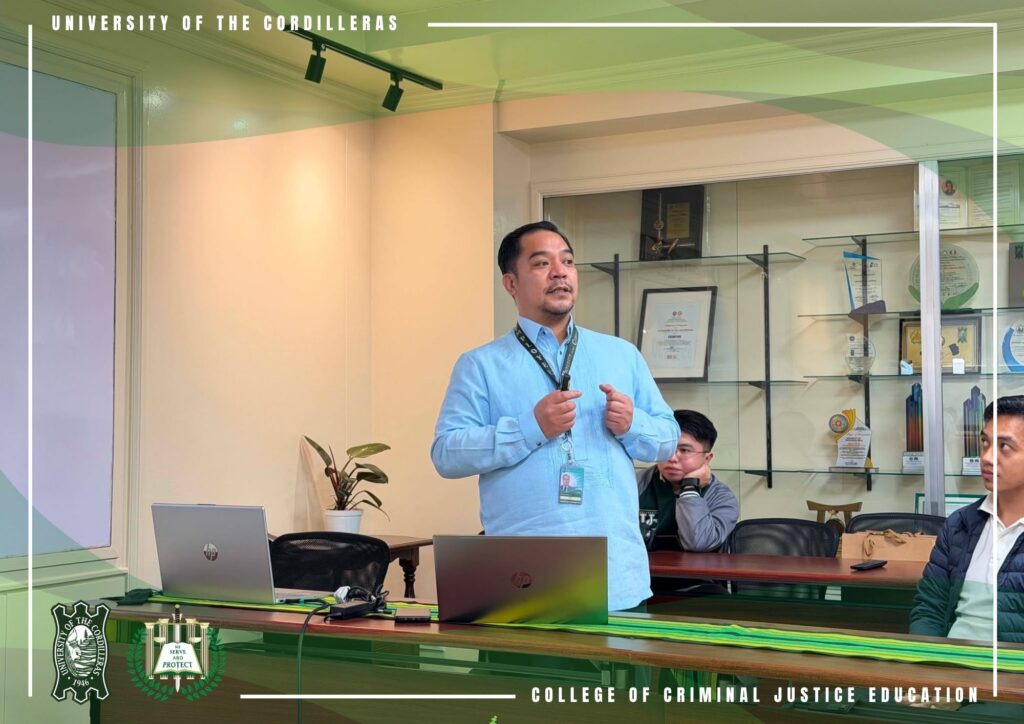
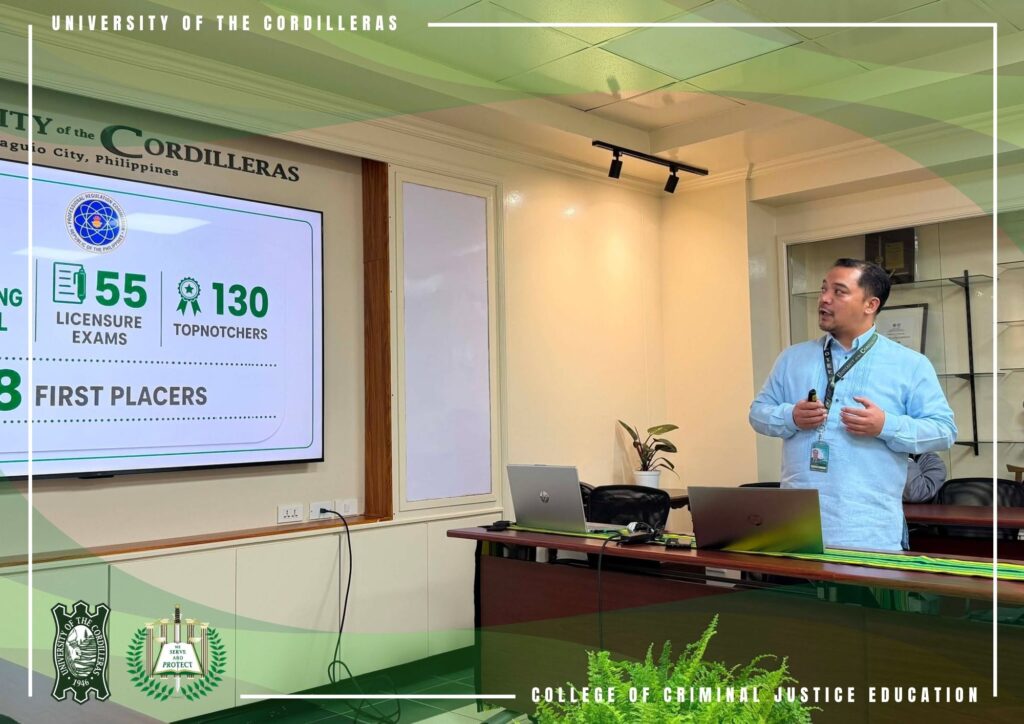
Dr. Robino Cawi presenting CCJE
Among the cases discussed were Tennessee v. Garner, which established important limitations on the use of deadly force against a fleeing suspect, and Graham v. Connor, which provides the objective reasonableness framework considering factors such as the severity of the crime, whether the suspect poses an immediate threat, and whether the suspect is actively resisting or attempting to evade arrest.
The discussion also highlighted the importance of assessing the circumstances surrounding an encounter, including the “moment of threat,” rather than evaluating an officer’s actions based only on the few seconds when force was actually applied. Officer Salvosa further explained the force continuum, progressing from officer presence and verbalization to soft control, hard control, less-lethal options, and lethal force, while emphasizing that the appropriate response depends on the circumstances and level of threat.


Participants were also introduced to three key questions in assessing the reasonableness of force: whether a seizure occurred, whether the seizure was justified, and whether the force used to accomplish the seizure was reasonable. The session underscored the shift from older approaches that emphasized repeated physical control toward more measured and accountable approaches to force, supported by proper training, equipment, situational assessment, and legal standards.
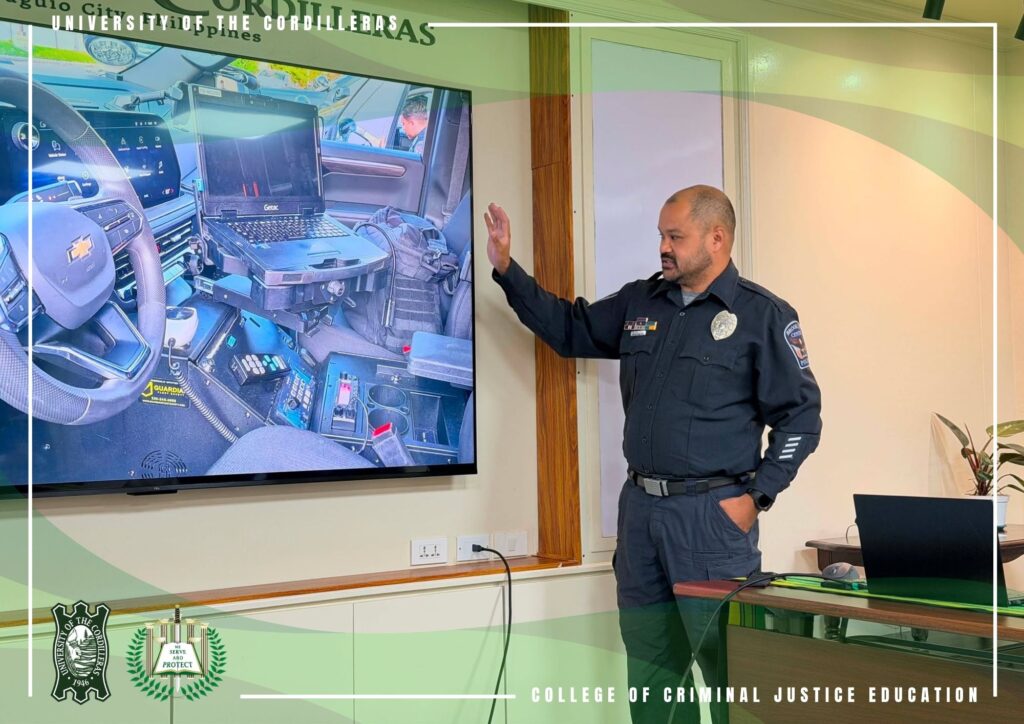
He later served as the featured speaker in the UC@80 Learning Session, “The Force Continuum: A Rights-Based Approach to Policing,” conducted online and attended by around 300 participants.
The session brought together students and faculty from UC and partner higher education institutions, alongside practitioners from the Philippine National Police (PNP) and the Bureau of Jail Management and Penology (BJMP). Drawing from his experiences in law enforcement, Officer Salvosa provided practical perspectives on the appropriate use of force, police decision-making, and the importance of integrating human rights principles into everyday policing.
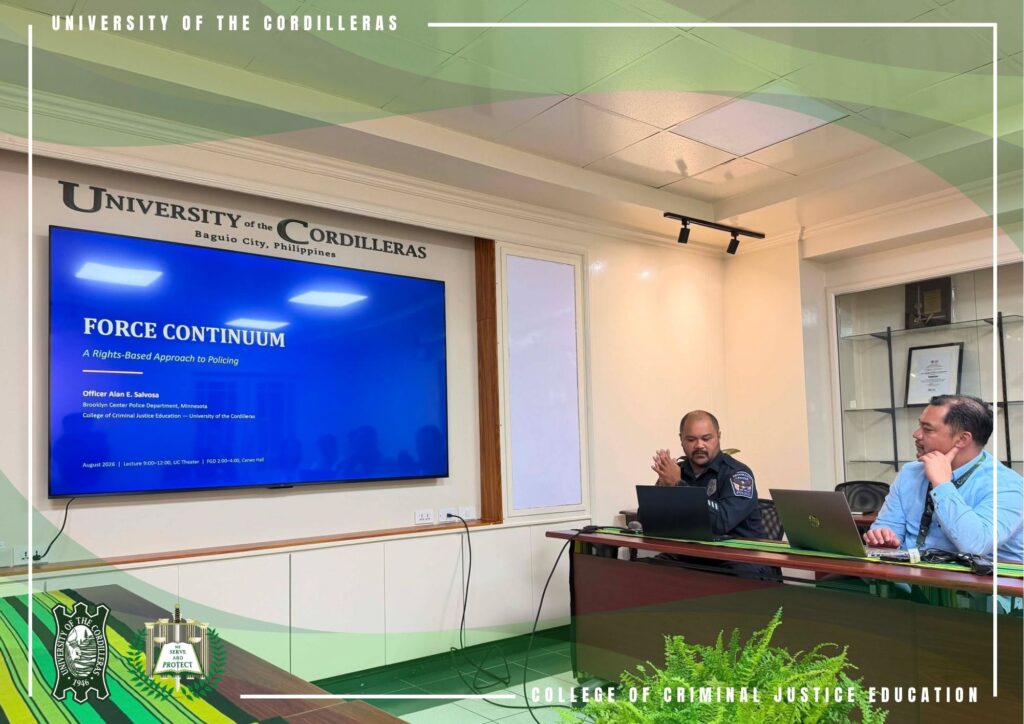
The engagement underscored the value of connecting academic learning with professional experience, while fostering dialogue on responsive, ethical, and rights-based law enforcement.
The activity contributed to SDG 4 (Quality Education) by providing participants with relevant, practice-based learning beyond the classroom. It also contributes to SDG 16 (Peace, Justice and Strong Institutions) by promoting accountable, ethical, and rights-based policing. Moreover, it aligns with SDG 17 (Partnerships for the Goals) by fostering knowledge exchange and collaboration among higher education institutions and criminal justice practitioners.