
By: UC Research Services Office
The 𝟏𝐬𝐭 𝐃𝐈𝐆𝐈𝐇𝐀𝐙 𝐍𝐞𝐭𝐰𝐨𝐫𝐤𝐢𝐧𝐠 𝐄𝐯𝐞𝐧𝐭, held on 𝐍𝐨𝐯𝐞𝐦𝐛𝐞𝐫 𝟏𝟒, 𝟐𝟎𝟐𝟓 at 𝐓𝐫𝐚𝐯𝐞𝐥𝐢𝐭𝐞 𝐇𝐨𝐭𝐞𝐥, 𝐋𝐞𝐠𝐚𝐫𝐝𝐚, marked a major step forward in strengthening digital innovation for natural hazard resilience. Organized under the theme “𝑸𝒖𝒂𝒅𝒓𝒖𝒑𝒍𝒆-𝑯𝒆𝒍𝒊𝒙 𝑹𝒆𝒔𝒆𝒂𝒓𝒄𝒉 𝑴𝒂𝒕𝒄𝒉𝒎𝒂𝒌𝒊𝒏𝒈 𝑭𝒐𝒓𝒖𝒎: 𝑫𝒊𝒈𝒊𝒕𝒂𝒍 𝑺𝒐𝒍𝒖𝒕𝒊𝒐𝒏𝒔 𝒇𝒐𝒓 𝑵𝒂𝒕𝒖𝒓𝒂𝒍 𝑯𝒂𝒛𝒂𝒓𝒅 𝑹𝒆𝒔𝒊𝒍𝒊𝒆𝒏𝒄𝒆,” the event brought together government leaders, academic experts, industry partners, and community stakeholders for a full day of knowledge exchange and collaboration.
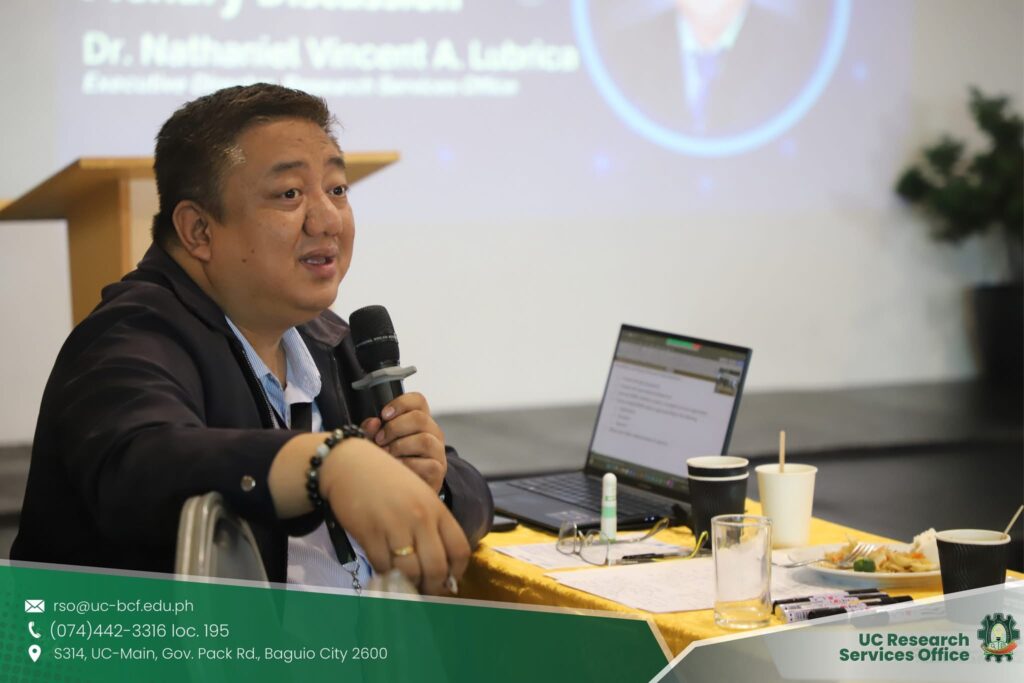
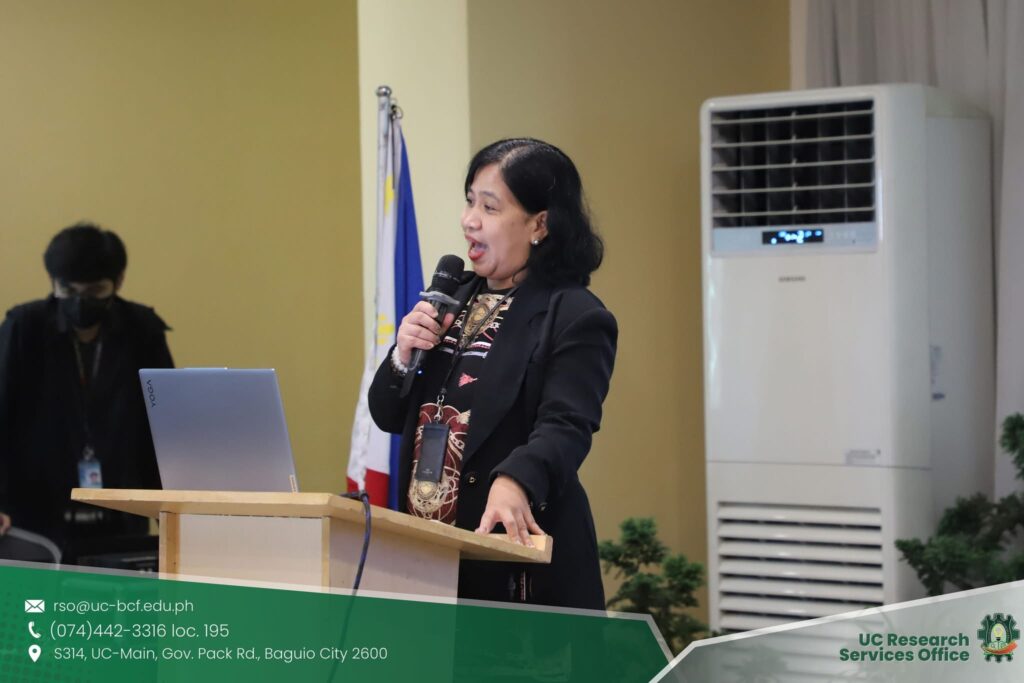
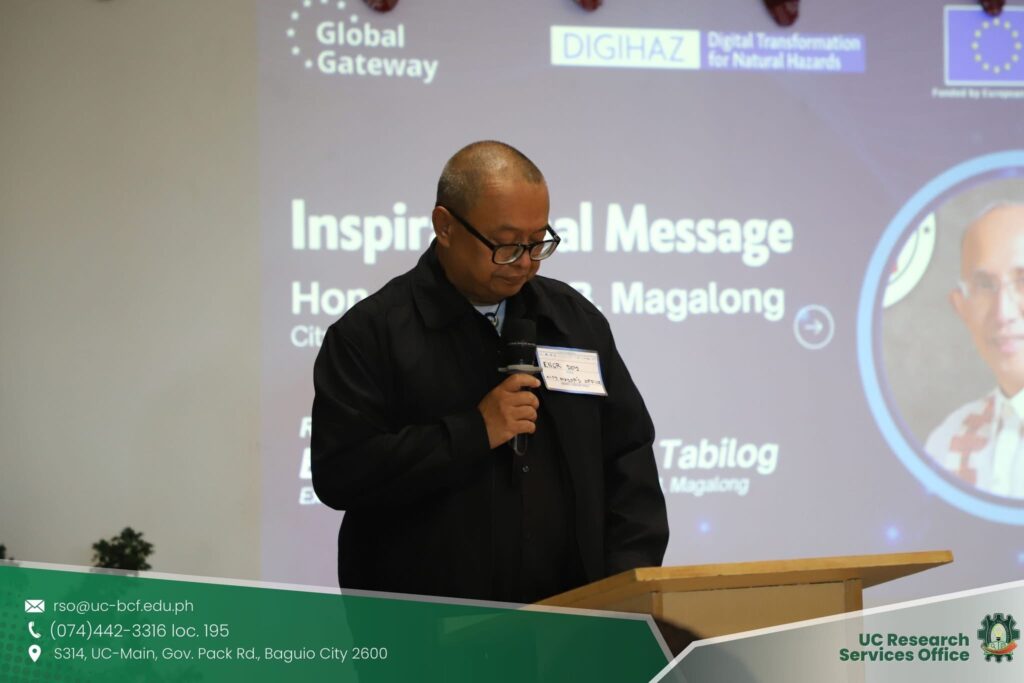
The program opened with an overview of the DIGIHAZ Project, outlining its objectives and the new PhD program specializations designed to advance research on digital hazard mitigation. An inspirational message on governance and leadership in disaster risk reduction and management (DRRM) was delivered by 𝙀𝙣𝙜𝙧. 𝙇𝙚𝙖𝙣𝙙𝙧𝙤 “𝘿𝙤𝙮” 𝙏𝙖𝙗𝙞𝙡𝙤𝙜 𝙤𝙣 𝙗𝙚𝙝𝙖𝙡𝙛 𝙤𝙛 𝙩𝙝𝙚 𝘽𝙖𝙜𝙪𝙞𝙤 𝘾𝙞𝙩𝙮 𝙈𝙖𝙮𝙤𝙧, underscoring the importance of innovation-driven solutions in strengthening urban resilience.
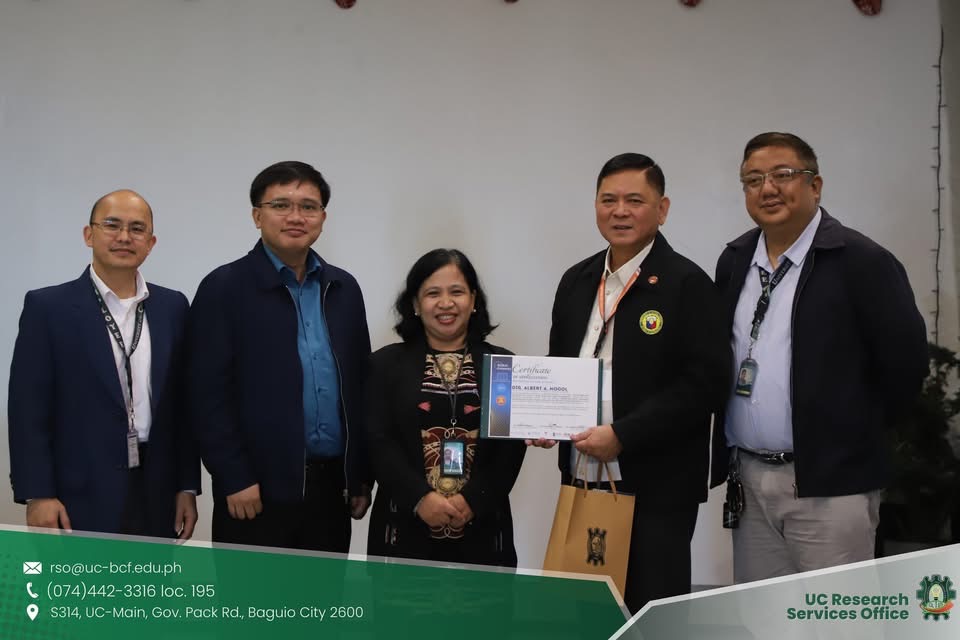
Two plenary talks provided key insights into the evolving DRRM landscape. 𝘿𝙧. 𝙎𝙚𝙧𝙜𝙞𝙤 𝙈𝙤𝙡𝙞𝙣𝙖 𝙋𝙖𝙡𝙖𝙘𝙞𝙤𝙨 discussed the transformative role of digital technologies in enhancing hazard preparedness and response, while 𝙊𝘾𝘿-𝘾𝘼𝙍 𝙍𝙚𝙜𝙞𝙤𝙣𝙖𝙡 𝘿𝙞𝙧𝙚𝙘𝙩𝙤𝙧 𝘼𝙡𝙗𝙚𝙧𝙩 𝙈𝙤𝙜𝙤𝙡 emphasized the value of partnerships and education in building community resilience.
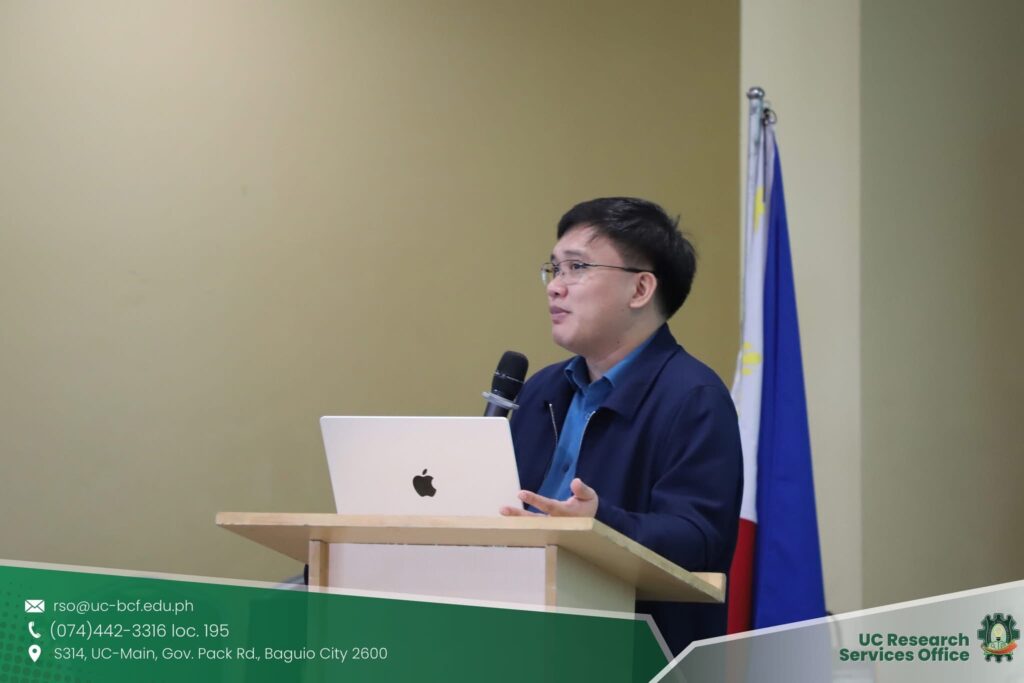
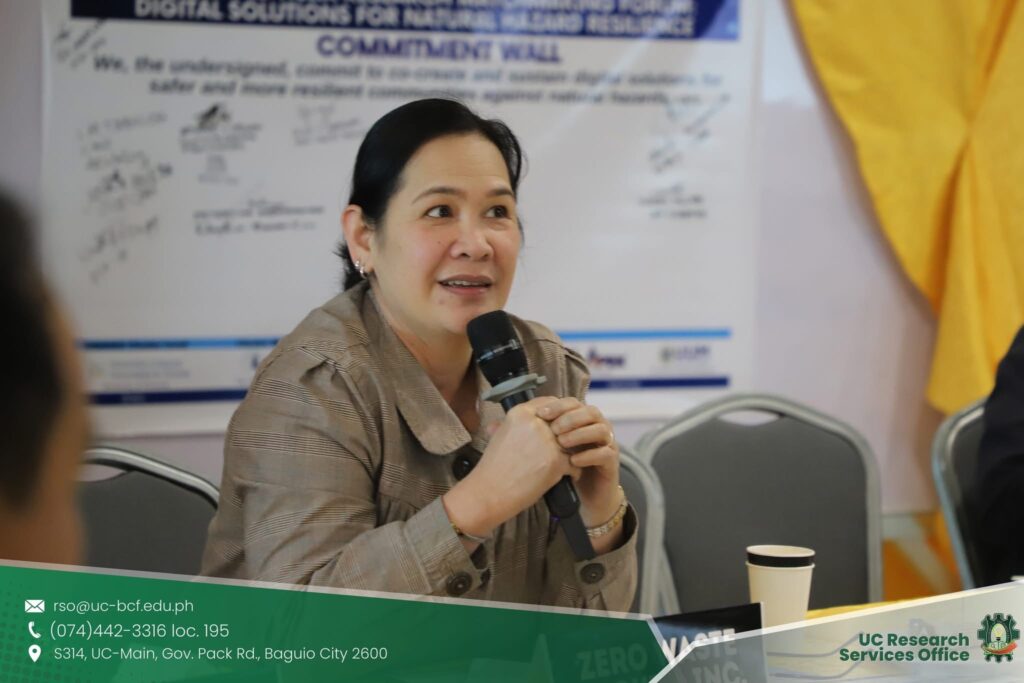
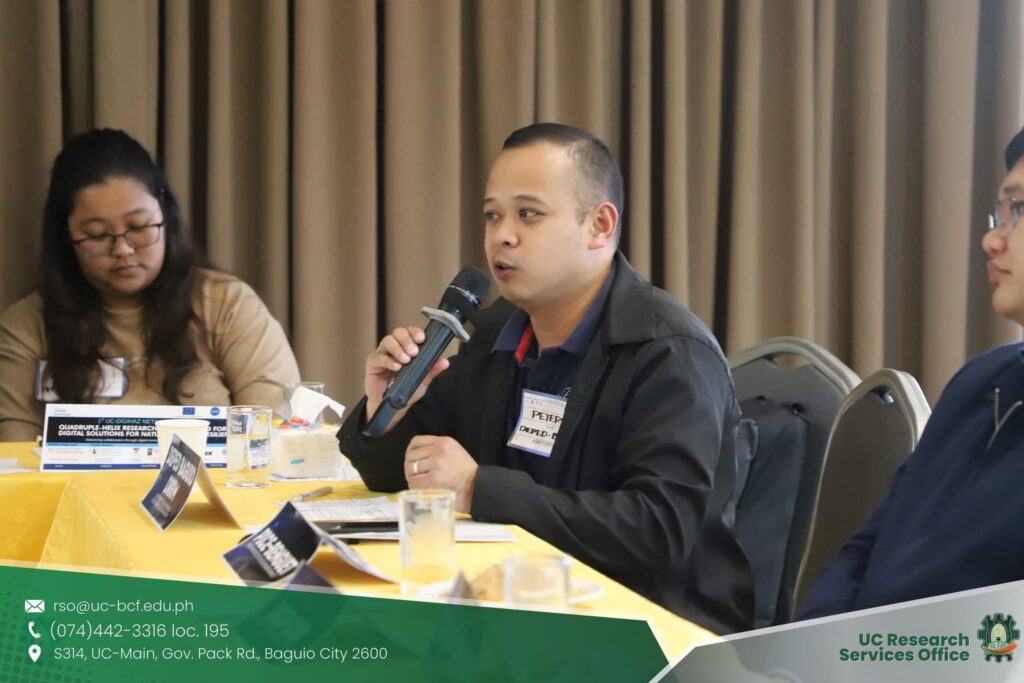
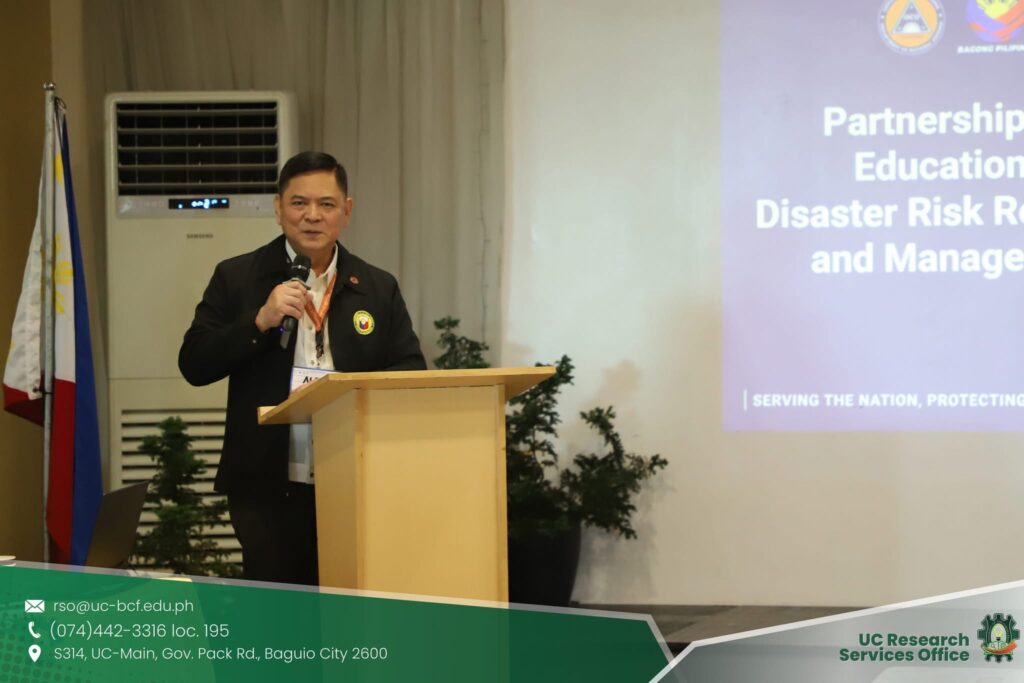
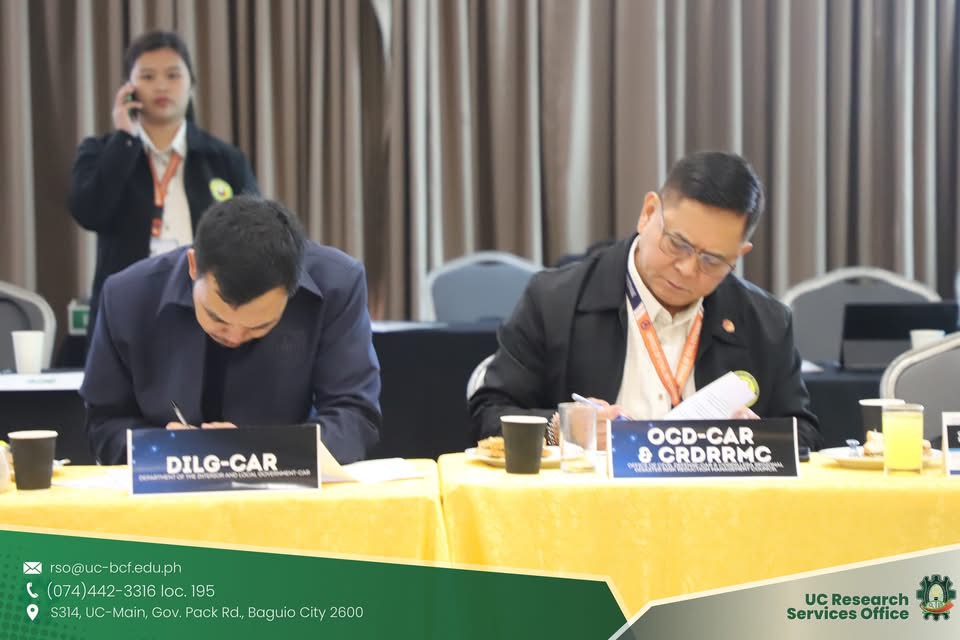
A proposed Memorandum of Understanding (MOU) was also presented, signaling deeper collaboration among stakeholders toward digital and innovation-led DRRM initiatives. The event concluded with the signing of a Memorandum of Commitment and a collective pledge on the commitment wall—symbolizing a shared vision for safer, smarter, and more resilient communities enabled by digital solutions.
The event aligns with SDG 16 (Peace, Justice and Strong Institutions), particularly Indicator 16.2.4, by promoting engagement among government representatives, academic institutions, industry partners, and community stakeholders in discussions on digital solutions for natural hazard resilience. The proposed Memorandum of Understanding and the signing of a Memorandum of Commitment reflect efforts to establish collaborative mechanisms for addressing shared challenges. The initiative also supports SDG 17 (Partnerships for the Goals), Target 17.17, by fostering multi-stakeholder partnerships, and SDG 11 (Sustainable Cities and Communities), Target 11.5, through its focus on strengthening disaster preparedness and reducing the impacts of natural hazards on communities. Furthermore, it contributes to SDG 9 (Industry, Innovation, and Infrastructure), Target 9.5, by promoting research, technological advancement, and digital innovation to improve hazard mitigation and resilience.