
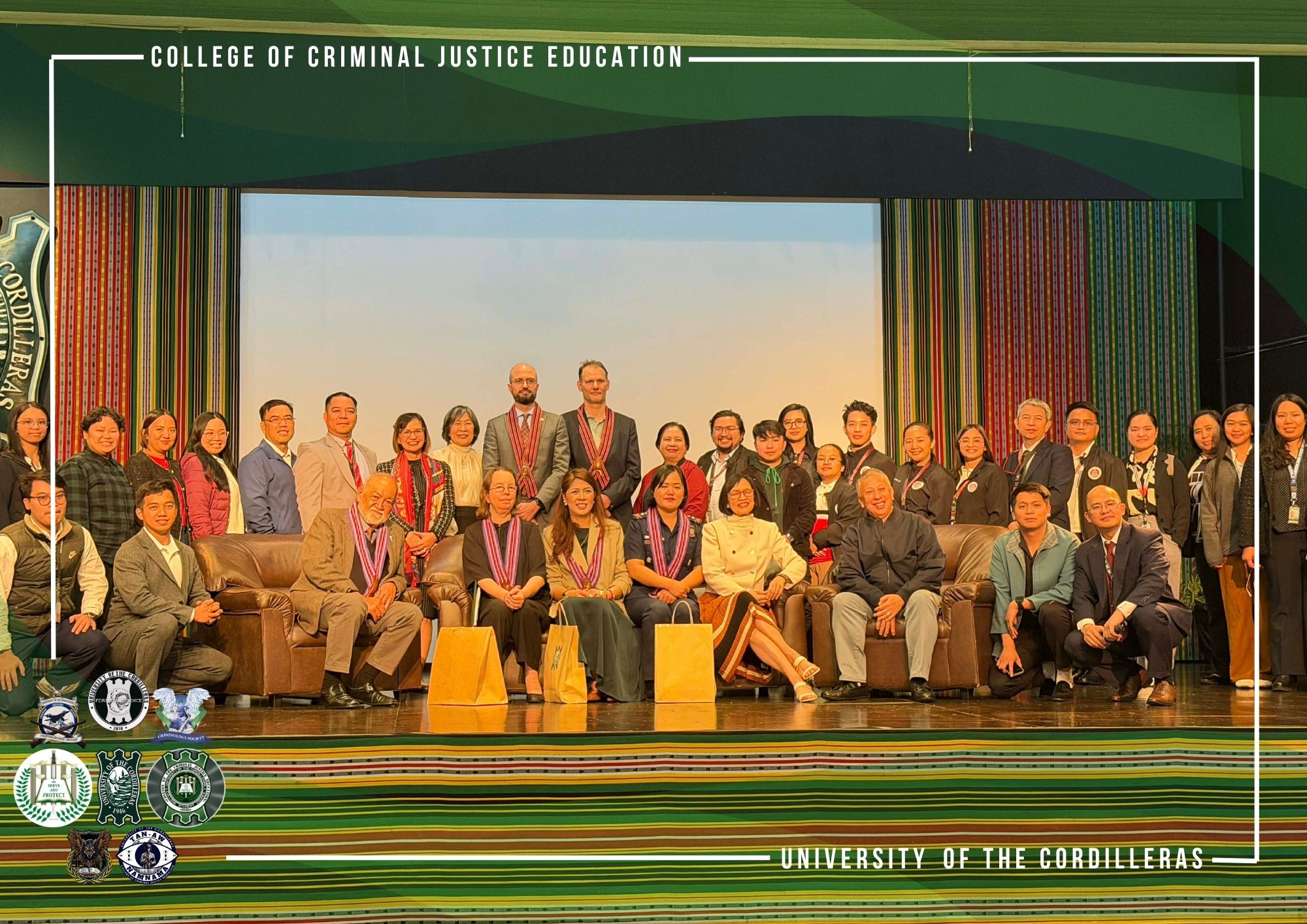
By: Janine Balageo
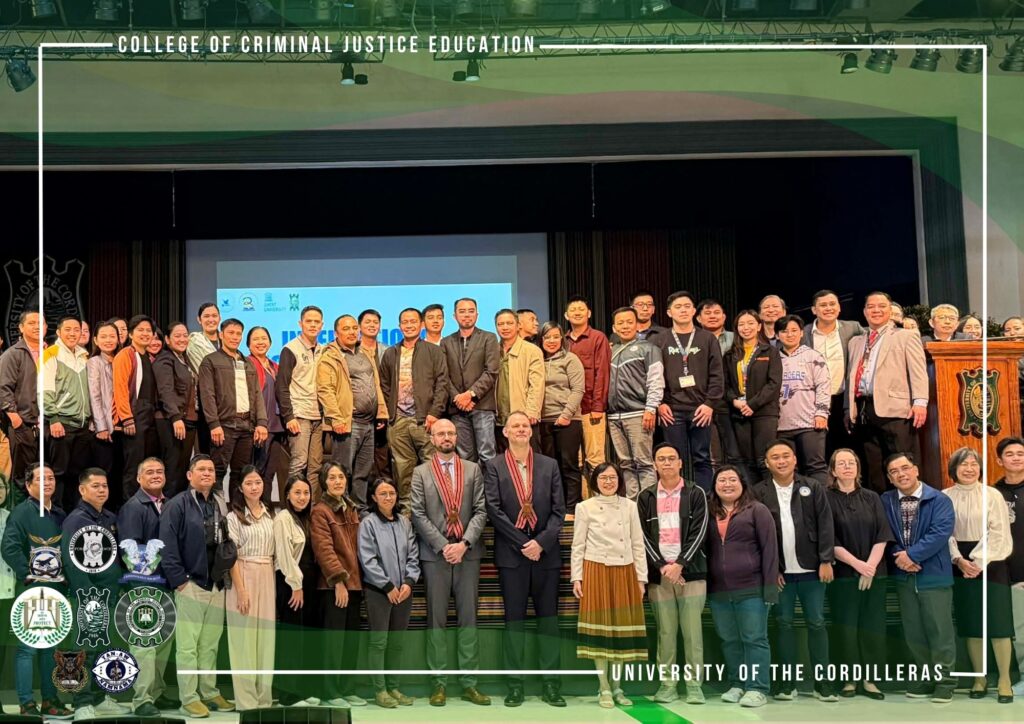
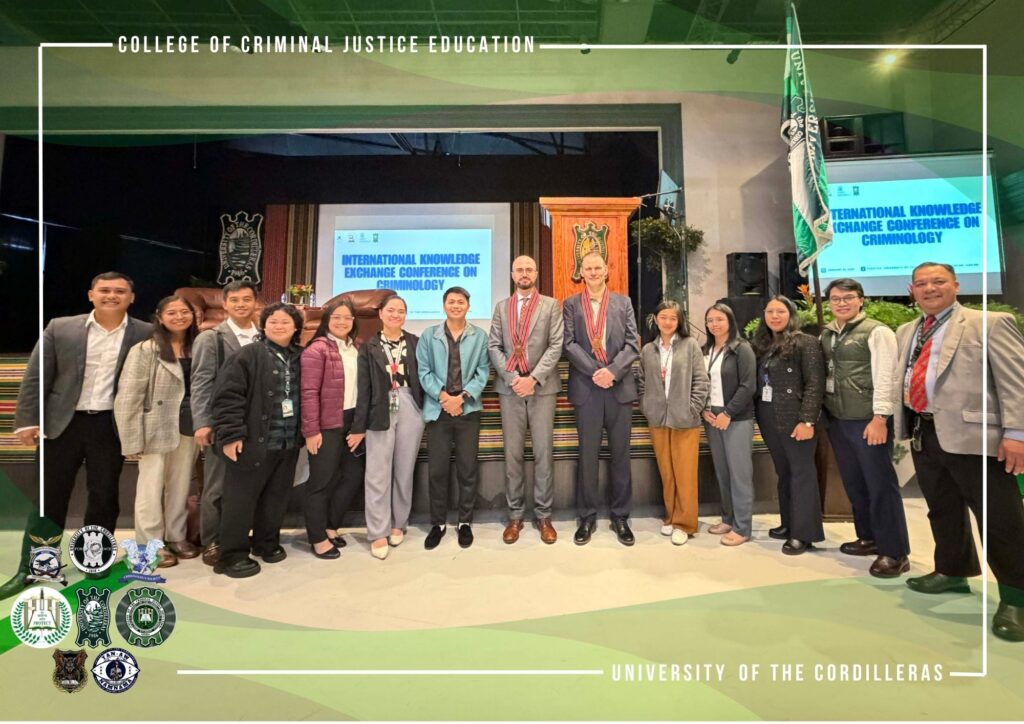
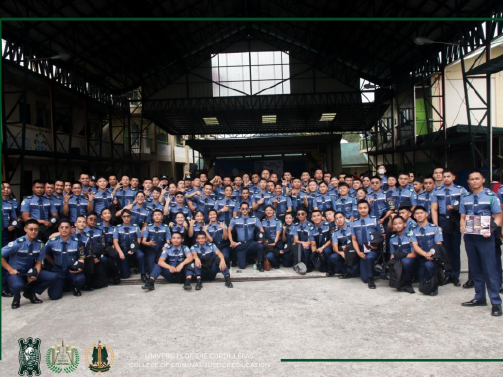
The recent special academic event, which consisted of a morning lecture series and an afternoon panel discussion, drew strong participation from various schools and other guest participants. Dr. Nancy M. Flores gave a warm welcome, and after that, Dr. Nica D. Togana presented the initial resource person with high regard.
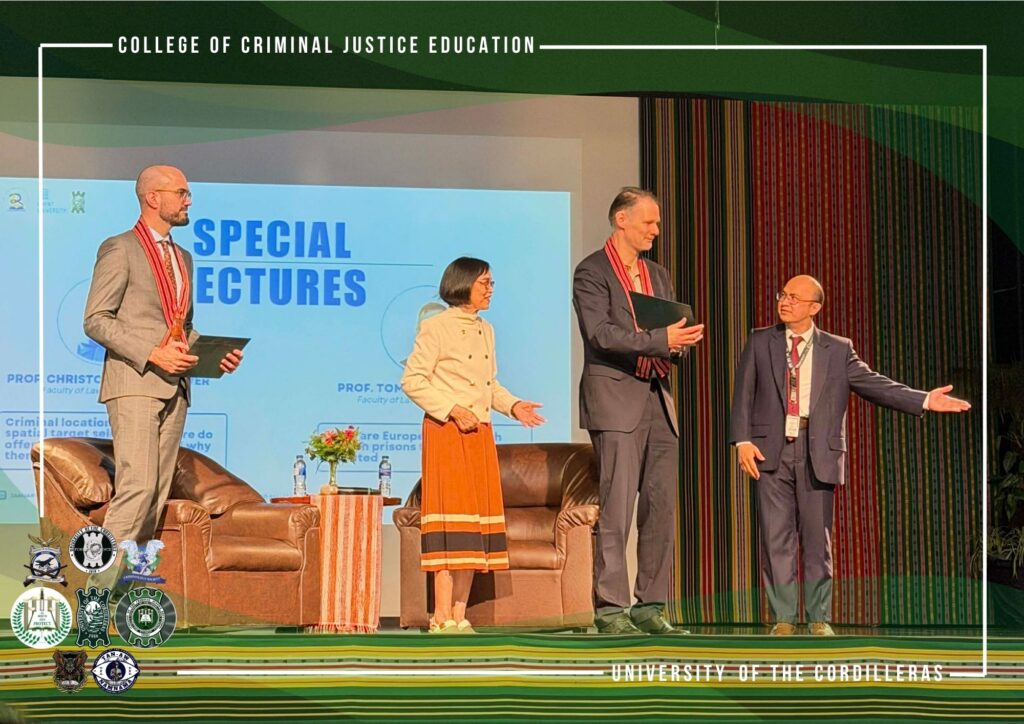
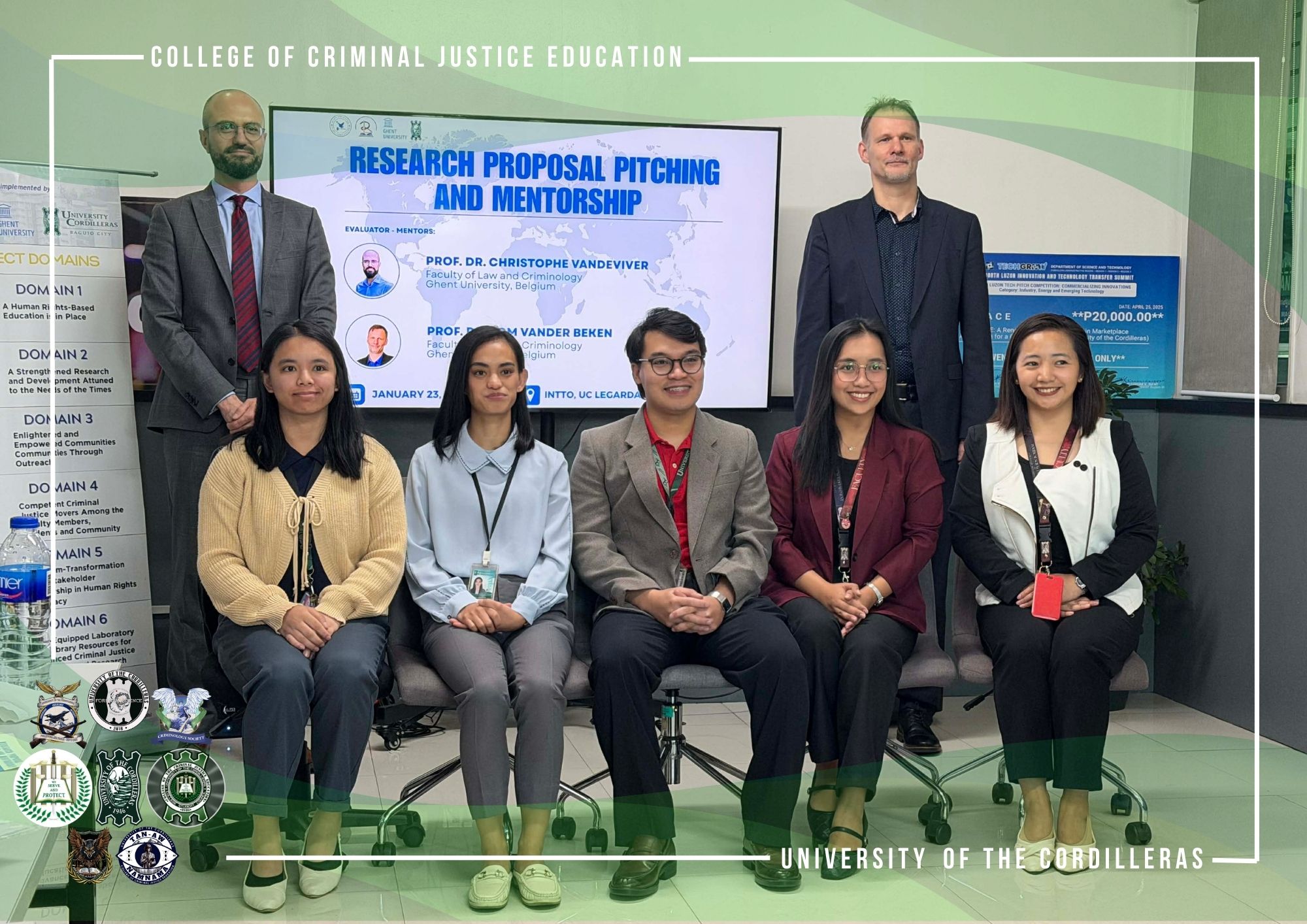
The educational component started with a very substantive talk on the complicated issue of Criminal location choice and spatial target selection, given by Professor Dr. Christophe Vandeviver, who offered some significant information regarding the geographical and psychological aspects that affect the offender behavior.
After a short coffee break, the intellectual discussion was resumed by the analysis of the modern prison regimes in Europe and South Africa by Professor Dr. Tom Vander Beken, who reconsiders the principles of John Howard. The message of this lecture made us Interns consider the reasons and facts of incarceration profoundly and interestingly. An open forum with the professors, which was moderated by Dr. Ferdinand D. Lawan, gave the participants an opportunity to directly interact with the professors and create a dynamic discussion of ideas that would further the effects of the presentations.


Prof. Dr. Cristophe Vandeviver with his lecture on Criminal Location and Target Selection


Prof. Dr. Tom Vander Beken with his lecture on Criminal Location and Target Selection
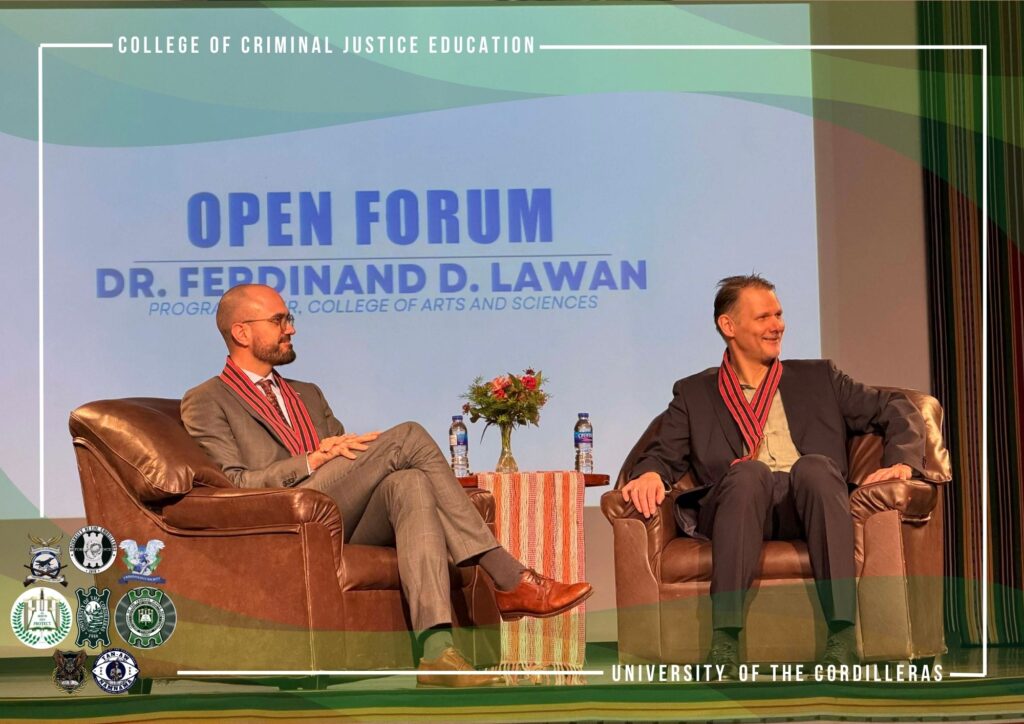
Open Forum with Prof. Dr. Cristophe Vandeviver and Prof. Dr. Tom Vander Beken
After the lunch break, it was followed by a panel discussion known as “Beyond Knowledge: Pathways to Inculcating Human Rights as a Life Value”. Dr. Robino D. Cawl was successful in setting the rationale of the discussions.
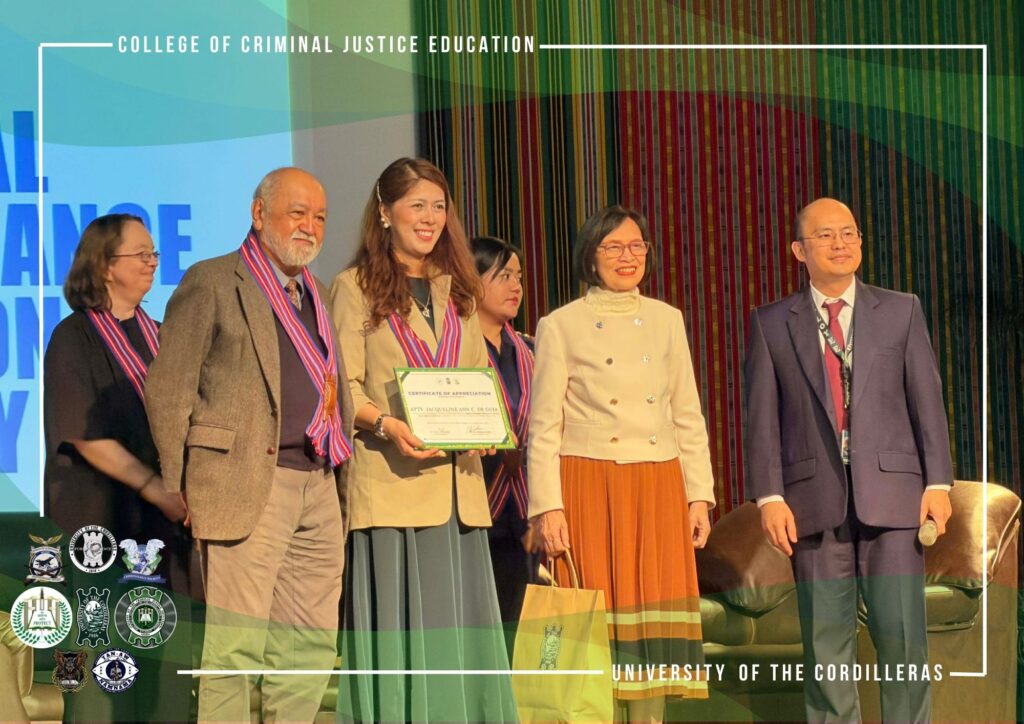
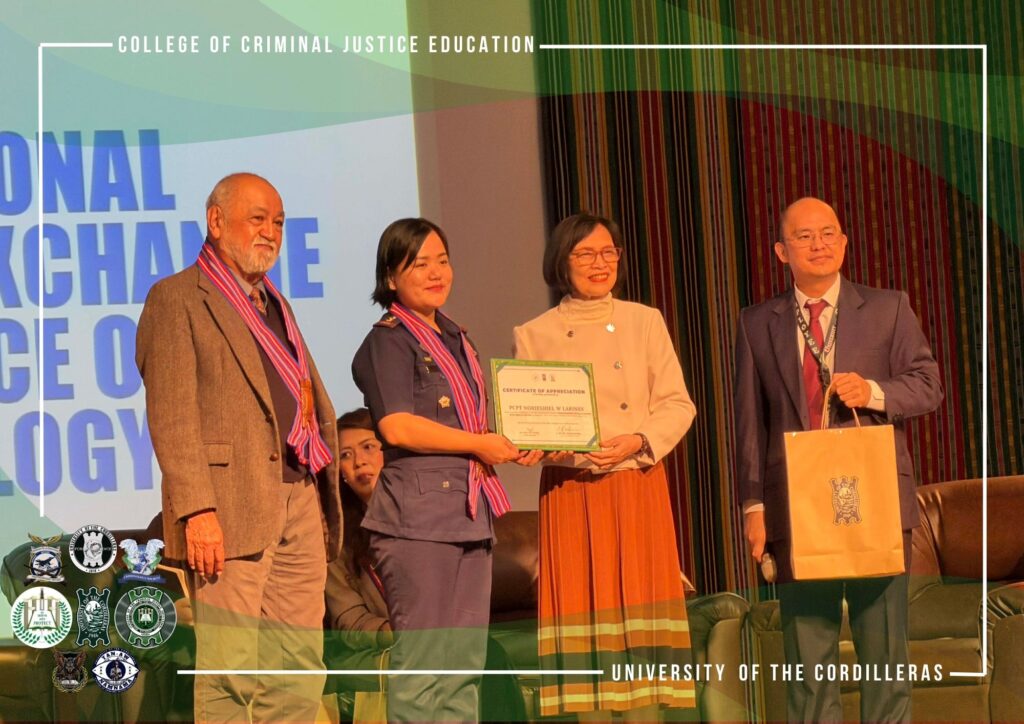
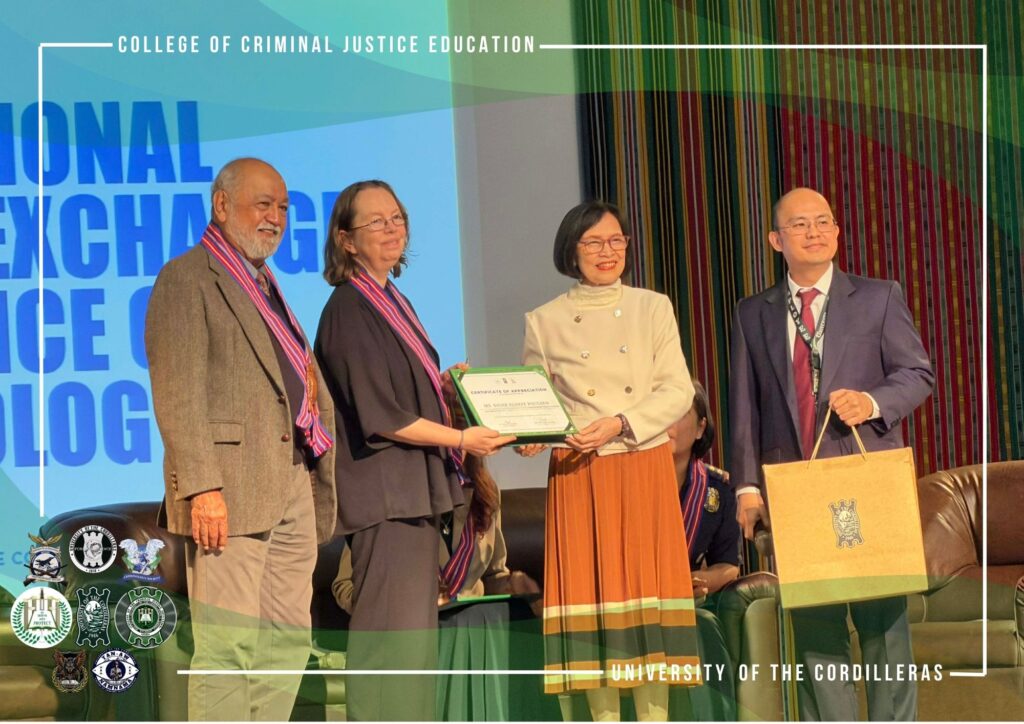
Four discussants who followed then gave multi-faceted views: Atty. Jacqueline Ann C. De Guia offered institutional roles as the Philippine Commission on Human Rights; PCOL ROMAN C ARUGAY, as represented by PCPT NORIESHIEL W LARINES offered necessary perspectives in the incorporation of human rights into law enforcement as the Philippine National Police; Dr. Signe Elnef Poulsen had presented the United Nations perspective of the great international framework, and Mr. Ray Dean D. Salvosa presented the academic and community stewardship view as the University of the Cordilleras.
The variety of opinions from the governmental, enforcement, international, and educational sectors provided a rich and comprehensive discourse on human rights advocacy. Such an open forum was followed by an interactive and lively discussion between the panelists and the audience on the current issues and practical directions to be taken. It was then officially ended with closing remarks by Dr. Ariel Nimo B.Pumecha, who summed up all the things learned throughout the day and reiterated the timeless value of the subject matters discussed.


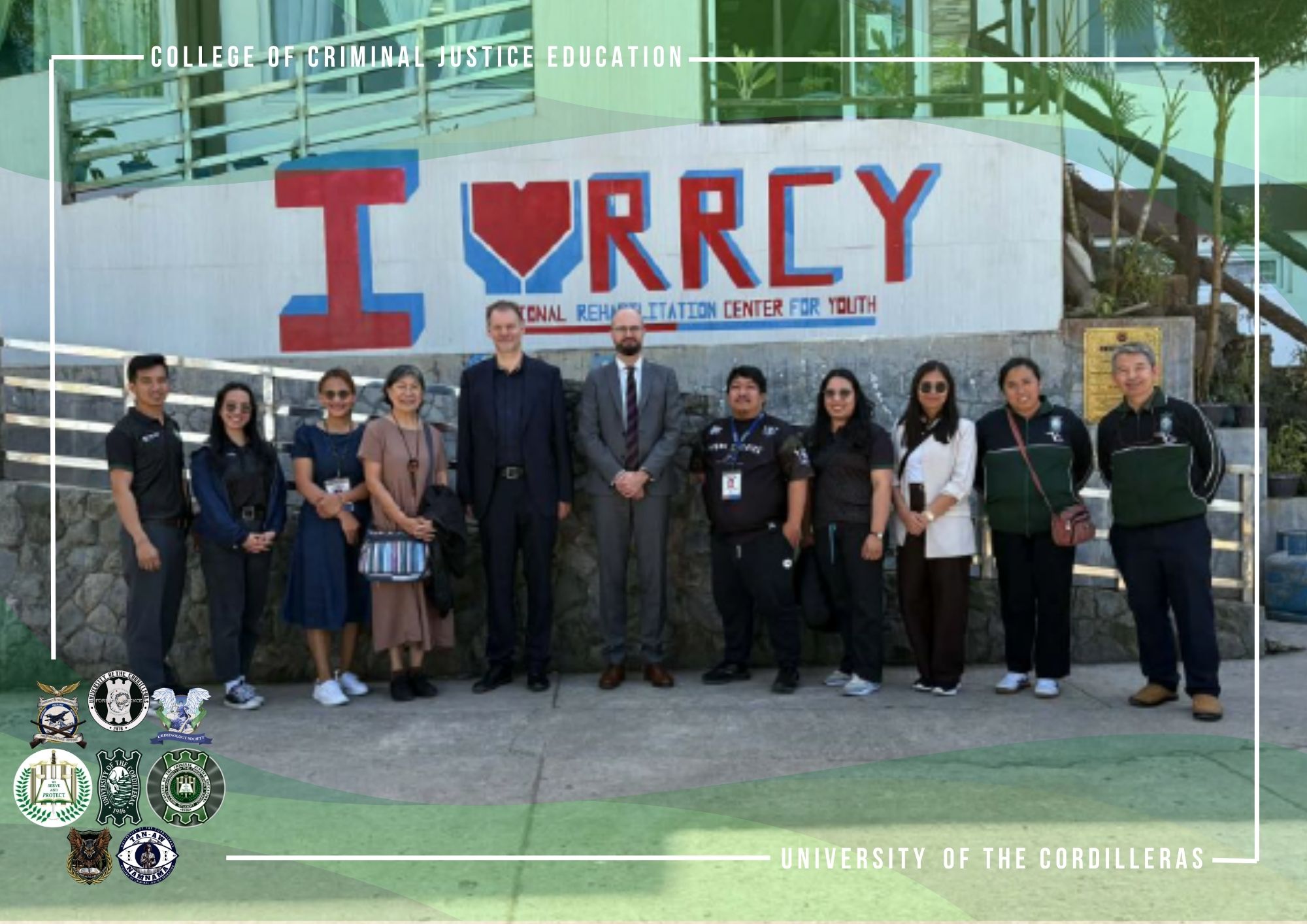
On the whole, the event fulfilled its purpose of providing the latest criminological insights and inspiring a productive discussion of the internalization of human rights. The smooth flow between lectures and panel discussions, the strong quality of the local and foreign speakers, the engagement of the audience in the process, and so on, all made the academic experience professionally enriching and inspiring.
Overall, the activity aligned with the United Nations Sustainable Development Goals, particularly SDG 4 (Quality Education) through academic exchange, SDG 16 (Peace, Justice, and Strong Institutions) by promoting human rights and justice, and SDG 17 (Partnerships for the Goals) through collaboration among local and international institutions.