By: Janine Balageo
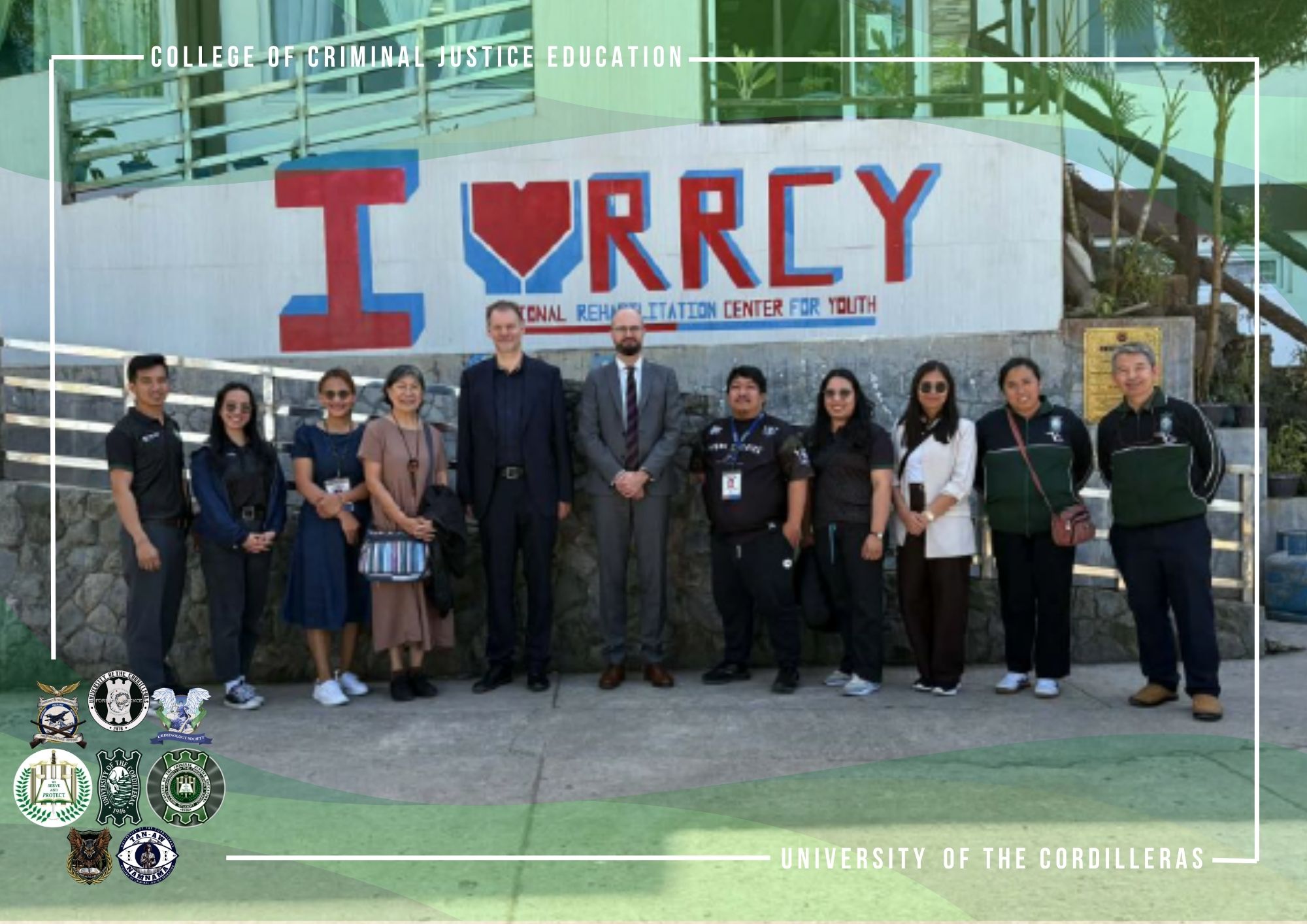
The Needs Assessment with the Regional Rehabilitation Center for Youth (RRCY) was conducted on December 17, 2025, at RRCY Sablan, Benguet, beginning at 9:00 AM. The activity aimed to orient stakeholders on the mandate and rehabilitation programs of RRCY, present the Rights2LIFE (R2L) Project, and identify existing challenges and needs of the institution, its personnel, and its residents.
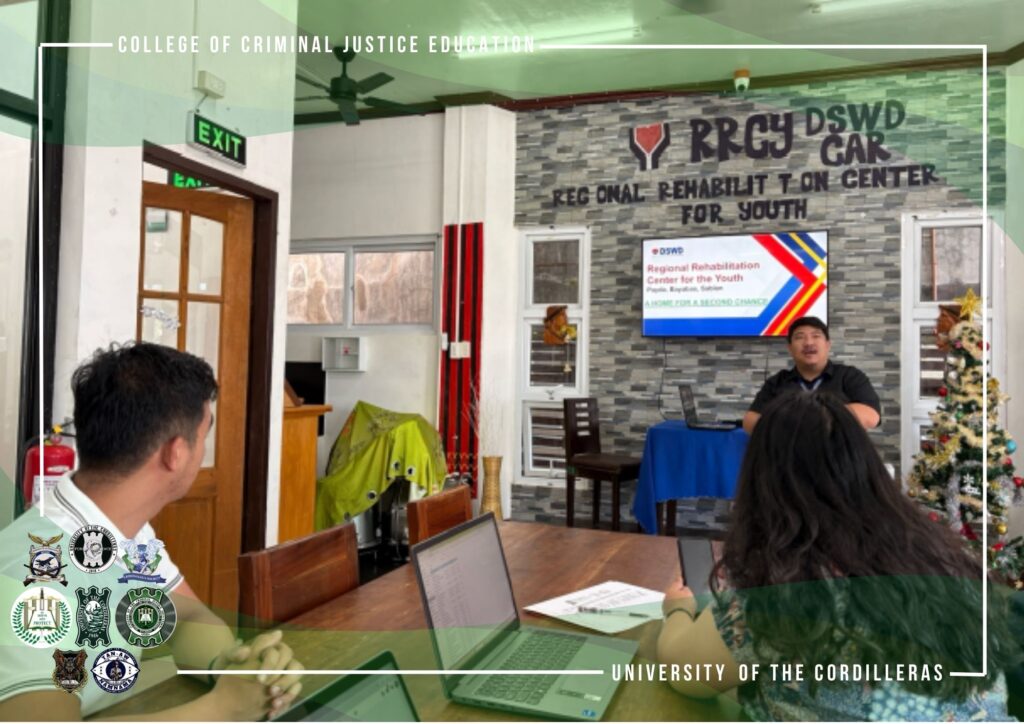
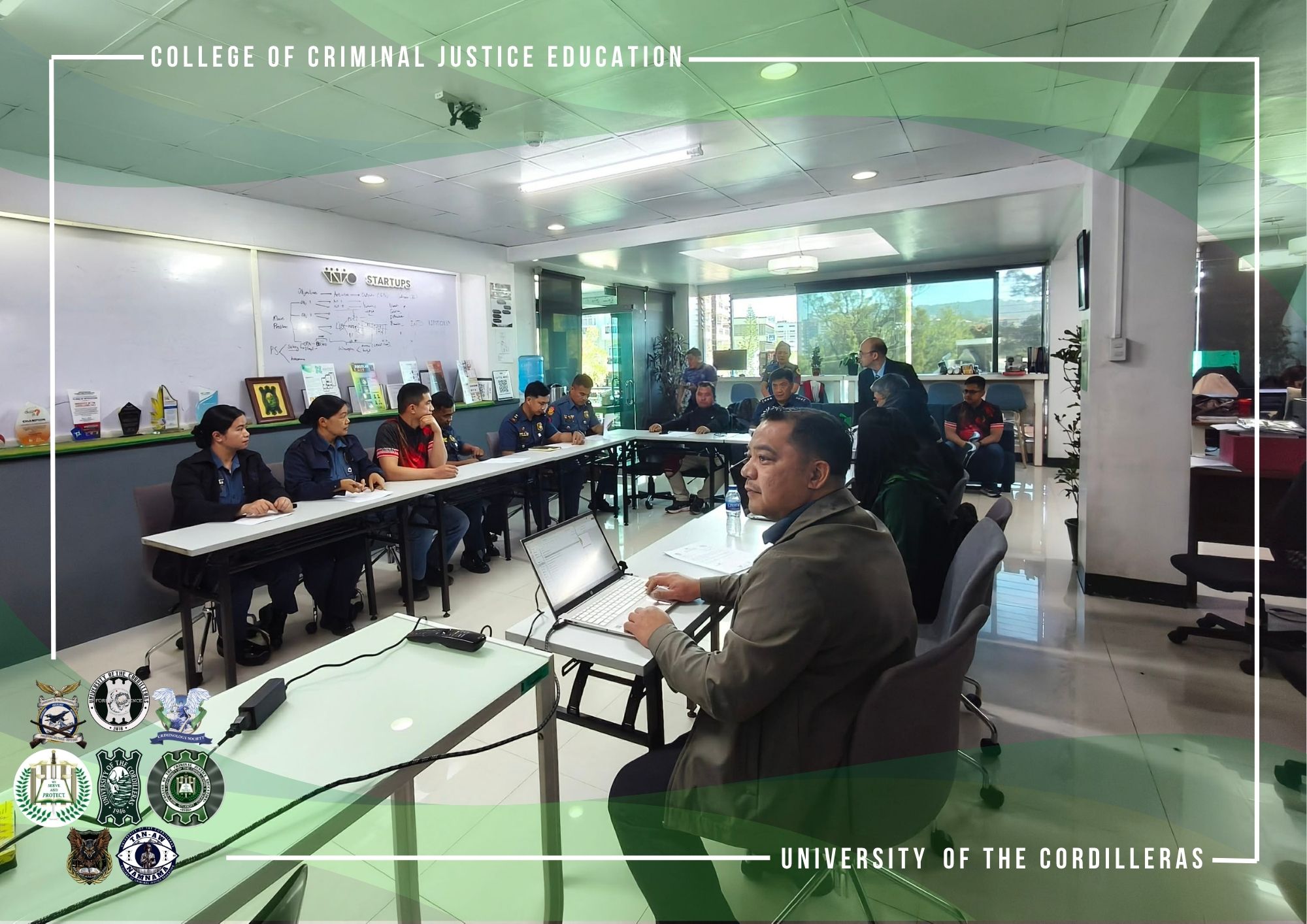
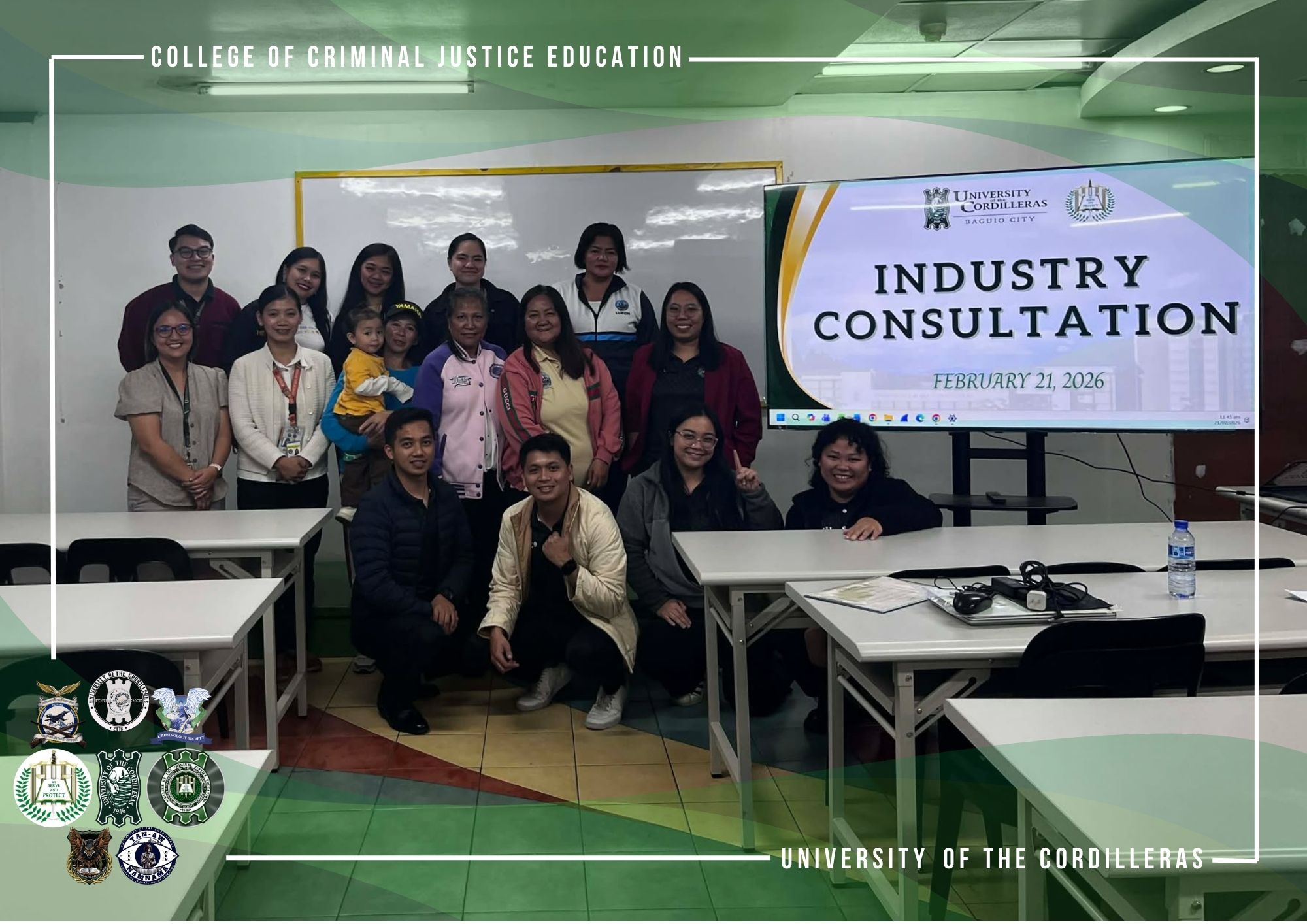
Rights2LIFE Members Meeting with Members from RRCY
The activity began with an orientation on the mandate of RRCY and its
rehabilitation framework for Children in Conflict with the Law. The program consists of three phases: a center-based phase focusing on admission, assessment, and individualized rehabilitation through the Therapeutic Community Modality and the S.H.E.P.H.E.R.D.S. Program; a transition phase that prepares residents for reintegration through temporary release, family assessment, and community-based supervision; and a final phase that involves aftercare, termination of services, and case closure or sealing, subject to the resident’s conduct and court disposition.
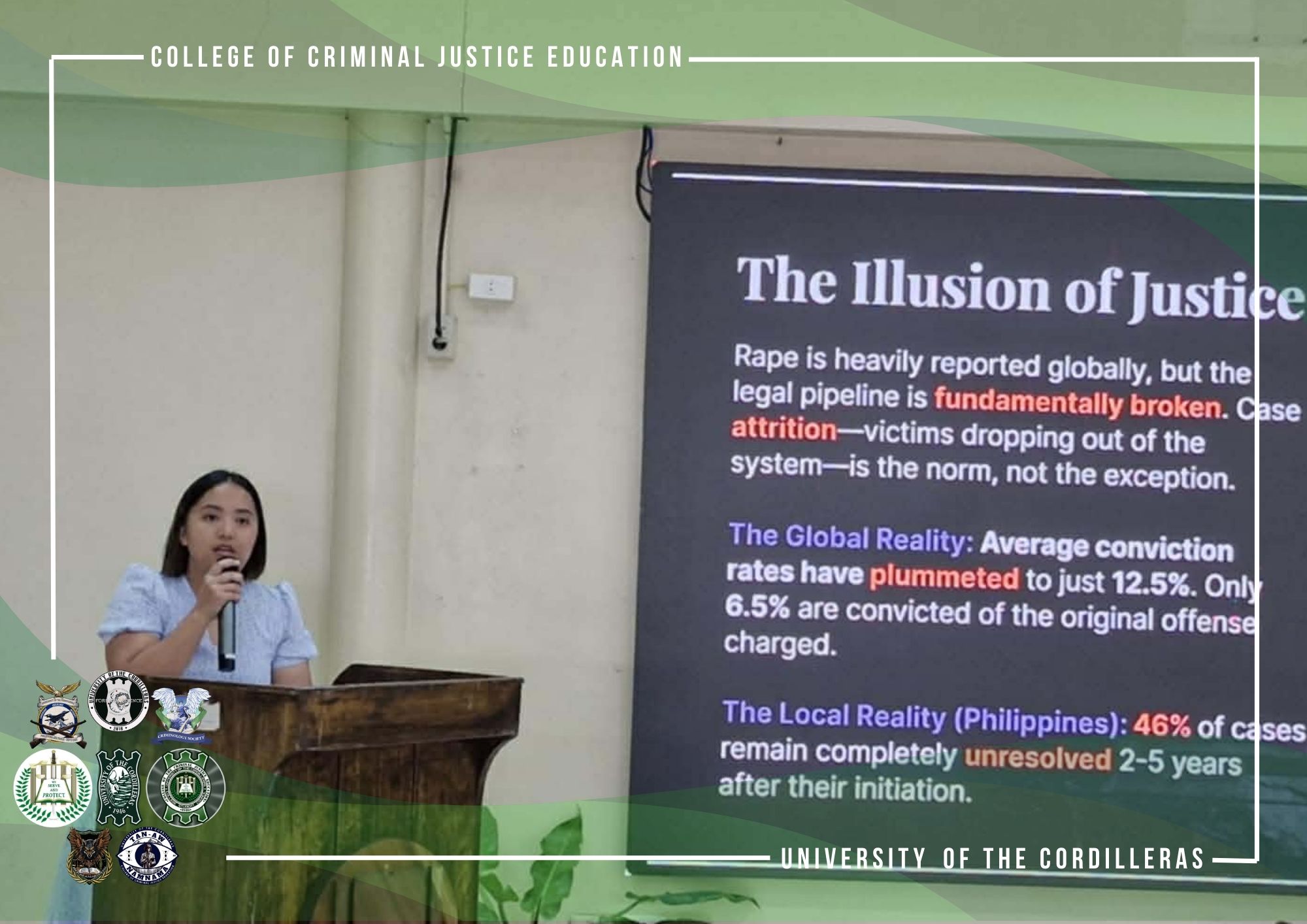
A presentation of the Rights2LIFE Project was delivered by Mr. Scyld Segundo, highlighting the project’s objectives and its potential role in supporting the rehabilitation and reintegration programs of RRCY. This was followed by the Needs Assessment Proper facilitated by Dr. Nica D. Togana, which identified several institutional and operational challenges.
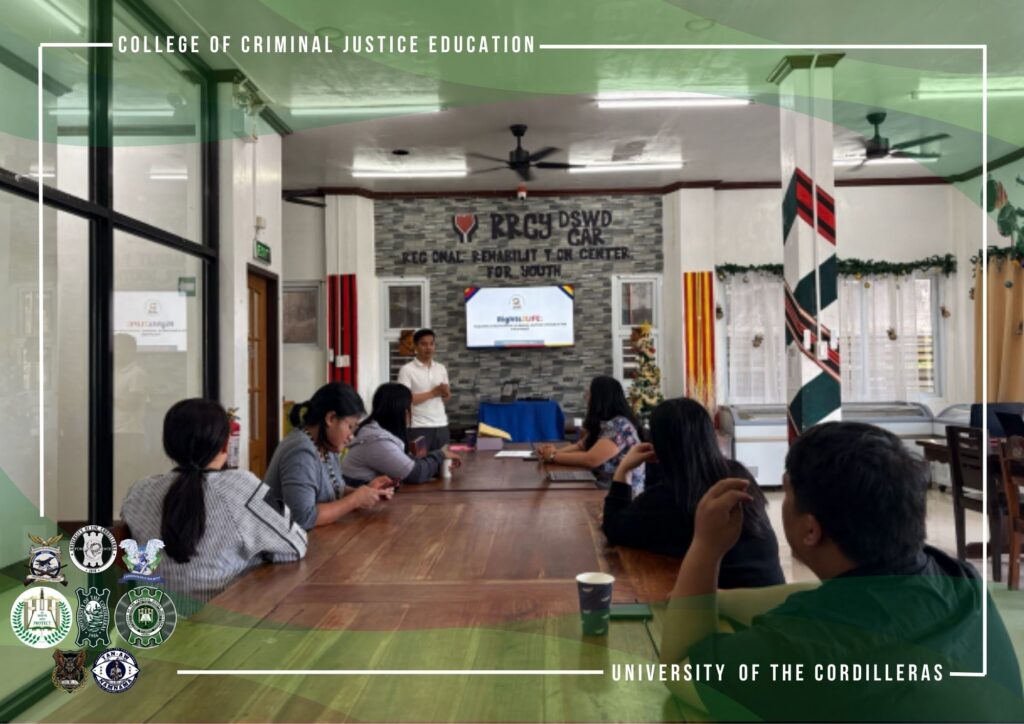
Rights2LIFE Member Mr. Scyld Segundo Presenting the Project’s Possible Roles
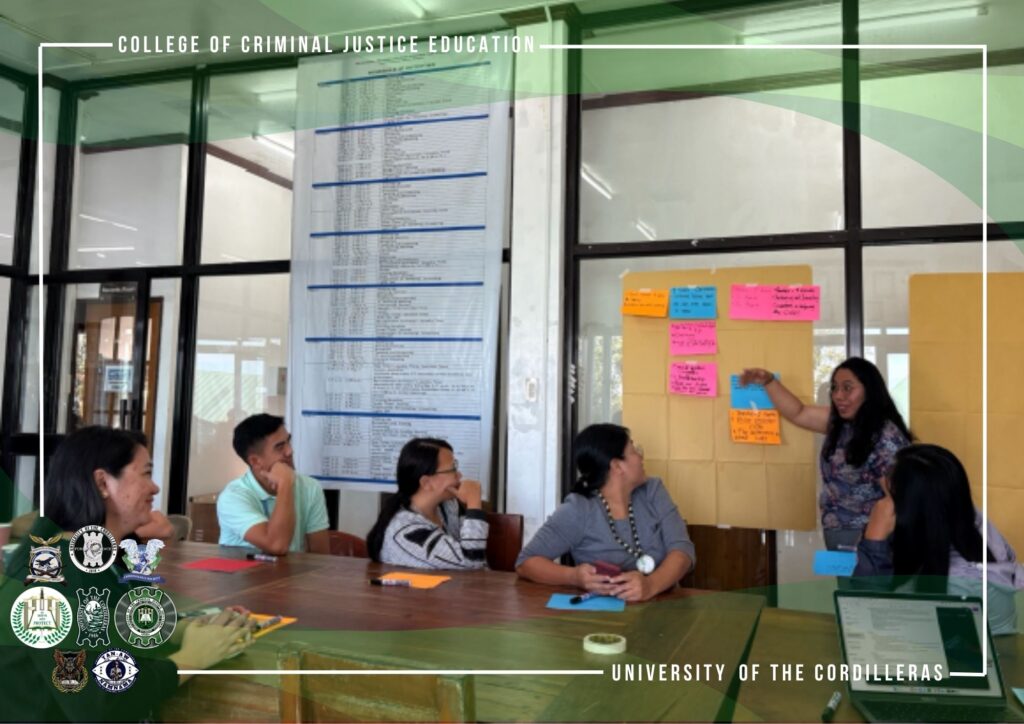
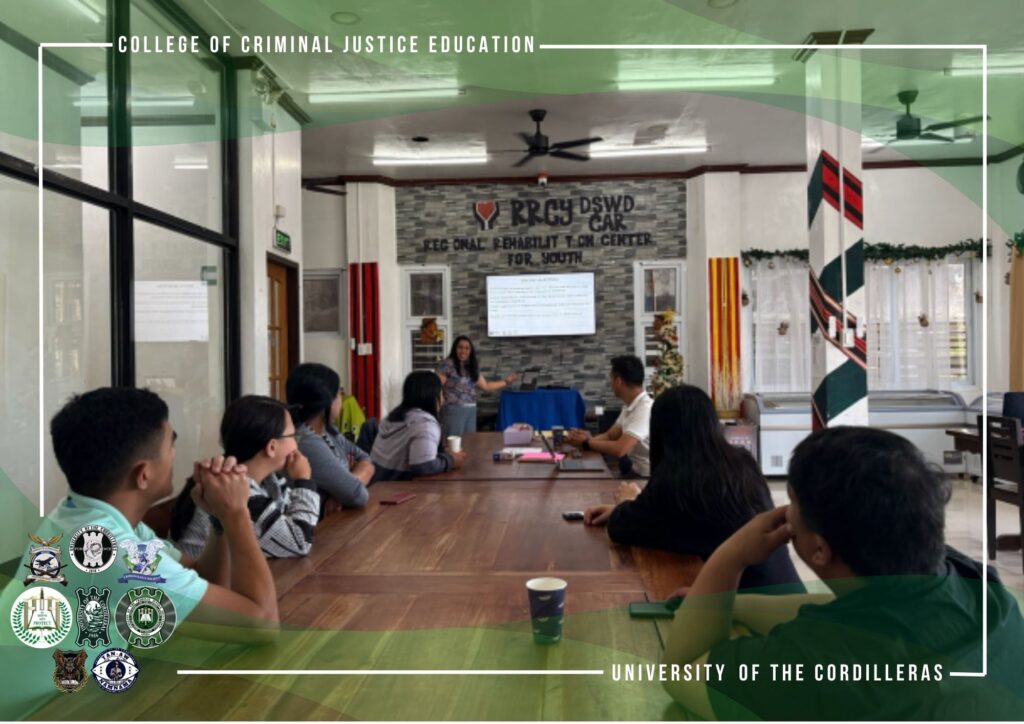
Needs Assessment Proper Facilitated by Rights2LIFE Member, Dr. Nica Togana
Among the major challenges identified were human resource constraints, as most of the staff are under Contract of Service with only three permanent personnel. There were also limitations in the procurement of equipment and materials needed for skills training, sports, clinic operations, and educational activities, including learning materials, whiteboards, tables, chairs, and armchairs. Additionally, issues on interagency coordination were noted, particularly the non-compliance of some parents, MSWD, CPC, and LGUs, as well as the limited knowledge of Barangay Councils for the Protection of Children (BCPC) on Republic Act 9344.
Delays in court feedback and the release of residents were likewise identified as recurring concerns. The needs assessment further revealed the need for capacity-building among RRCY staff, including trainings on Cognitive Behavioral Therapy, trauma-informed care for children with special needs and house parents, trauma-focused case management, stress debriefing, classroom management, and first aid or medical emergency response. The engagement of criminology interns to assist in escorting residents during off-site activities was also recommended. For the residents, the identified needs
included access to library resources, sports equipment, and materials for cleaning, musical activities, and other creative and developmental engagements.
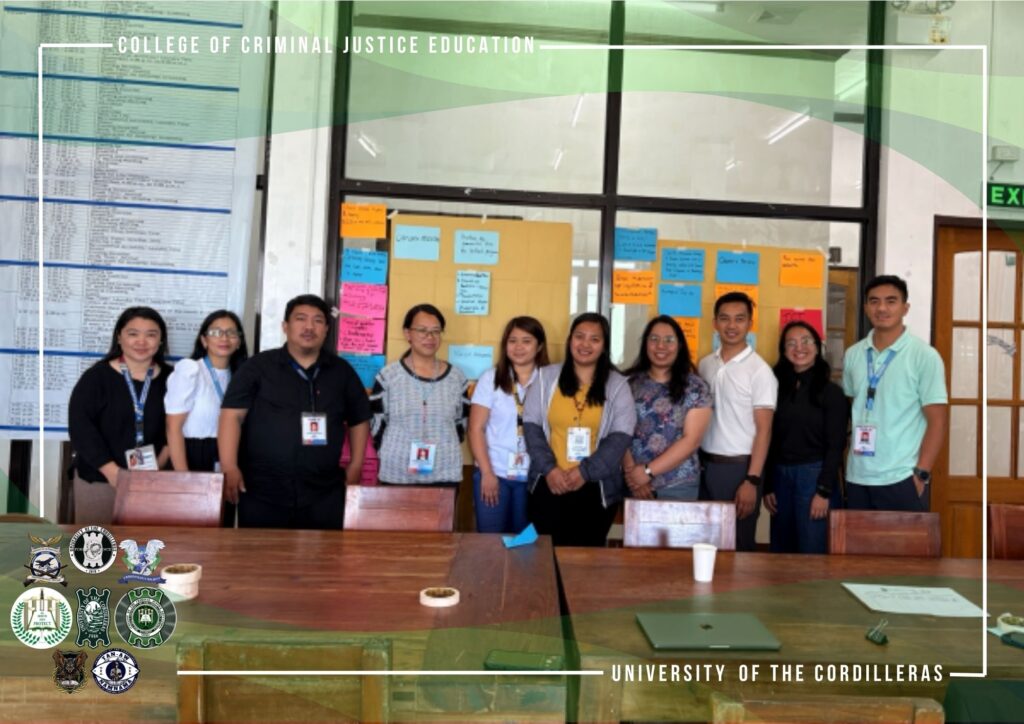
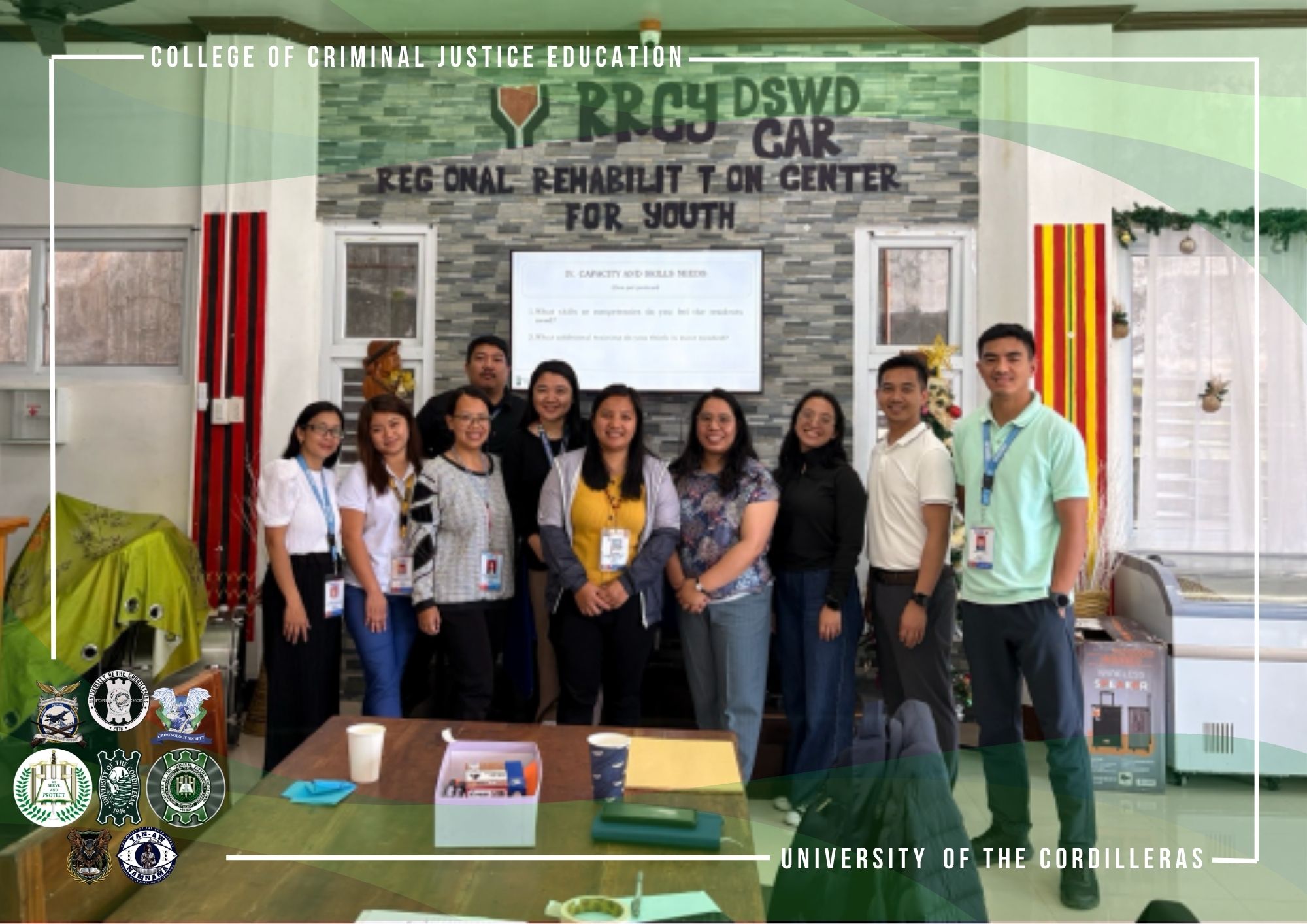
Rights2LIFE Members with RRCY Members
Overall, the activity provided a comprehensive understanding of the current conditions, challenges, and needs of RRCY. The results of the needs assessment will serve as a basis for planning future interventions, strengthening partnerships, and aligning support initiatives under the Rights2LIFE Project to enhance the holistic rehabilitation and reintegration of children in conflict with the law.
This activity aligns with SDG 16 (Peace, Justice and Strong Institutions) by strengthening a child-sensitive justice and rehabilitation system. It also supports SDG 4 (Quality Education) by addressing the need for learning materials, classroom management training, library resources, and skills development programs. Likewise, it advances SDG 3 (Good Health and Well-Being) through recommended capacity-building on trauma-informed care, Cognitive Behavioral Therapy, stress debriefing, and medical emergency response. Finally, it contributes to SDG 17 (Partnerships for the Goals) by fostering collaboration between RRCY and the Rights2LIFE Project to develop evidence-based, coordinated interventions for holistic youth rehabilitation and reintegration.