By: Corazon Alhido-Sacpa
First aid, basic life support (BLS), and water safety are essential life-saving skills that every future law enforcer and criminal justice professional must possess. For criminology and forensic science students, these skills are not only relevant as part of their academic development, but they are also necessary for their future roles in the field. When they enter law enforcement, community service, or forensic investigation work, they will encounter emergency situations wherein immediate response and proper intervention can save lives even before medical professionals arrive.
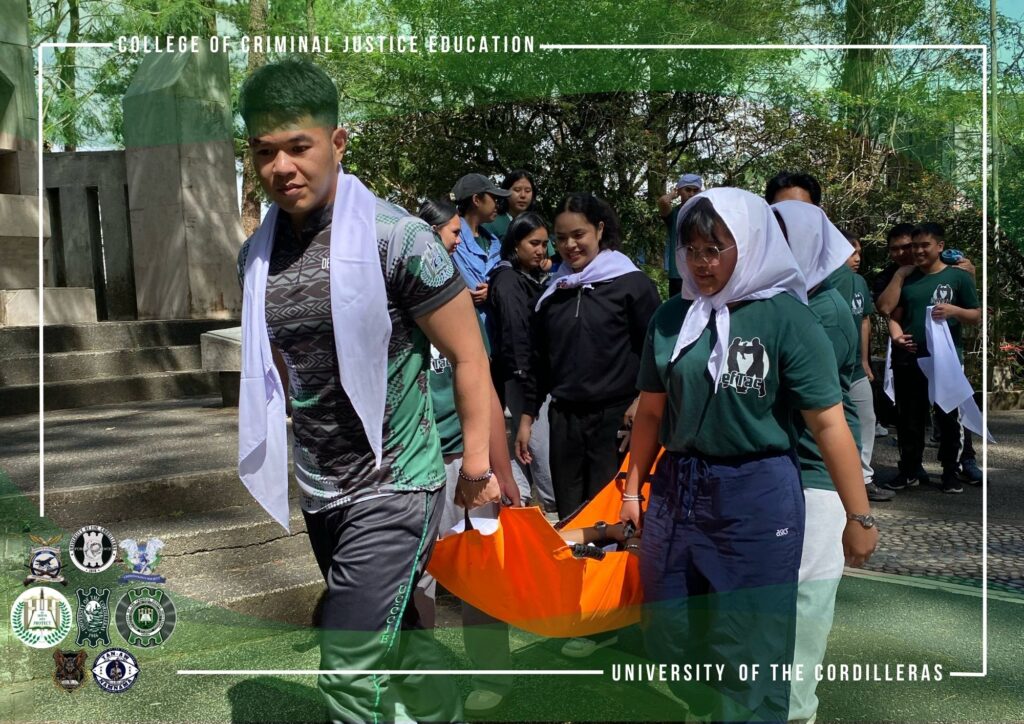
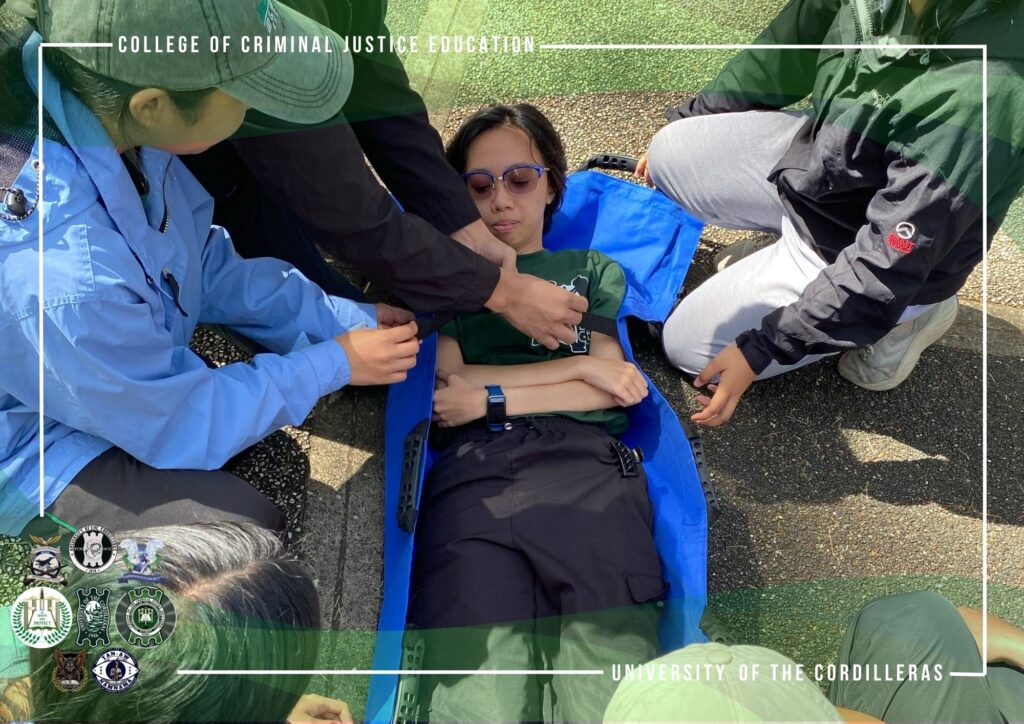
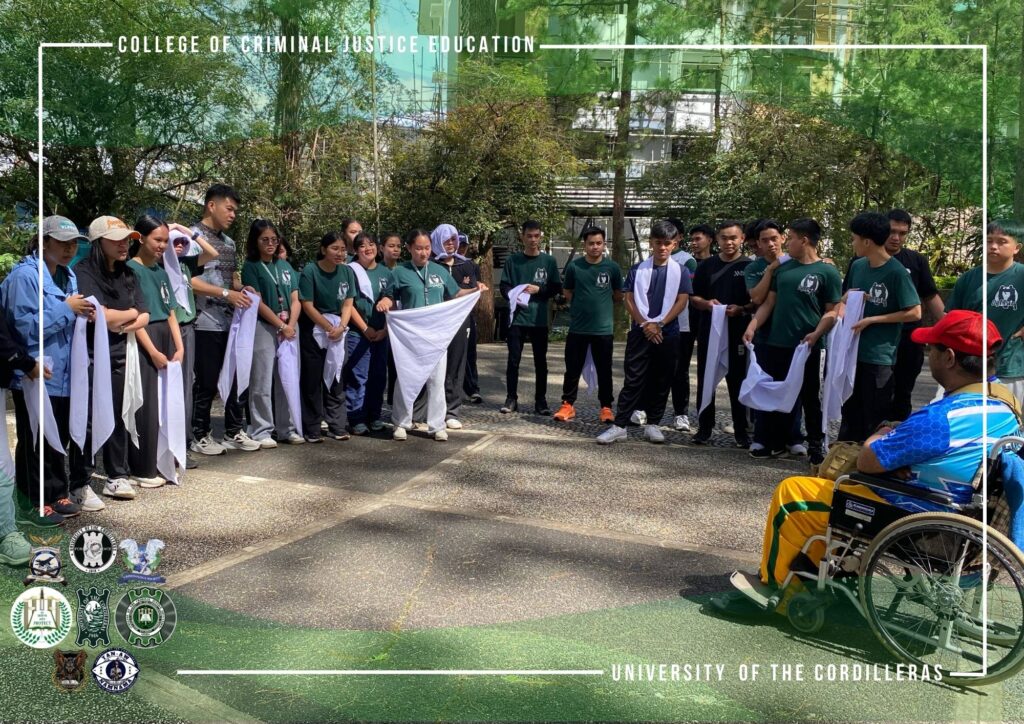
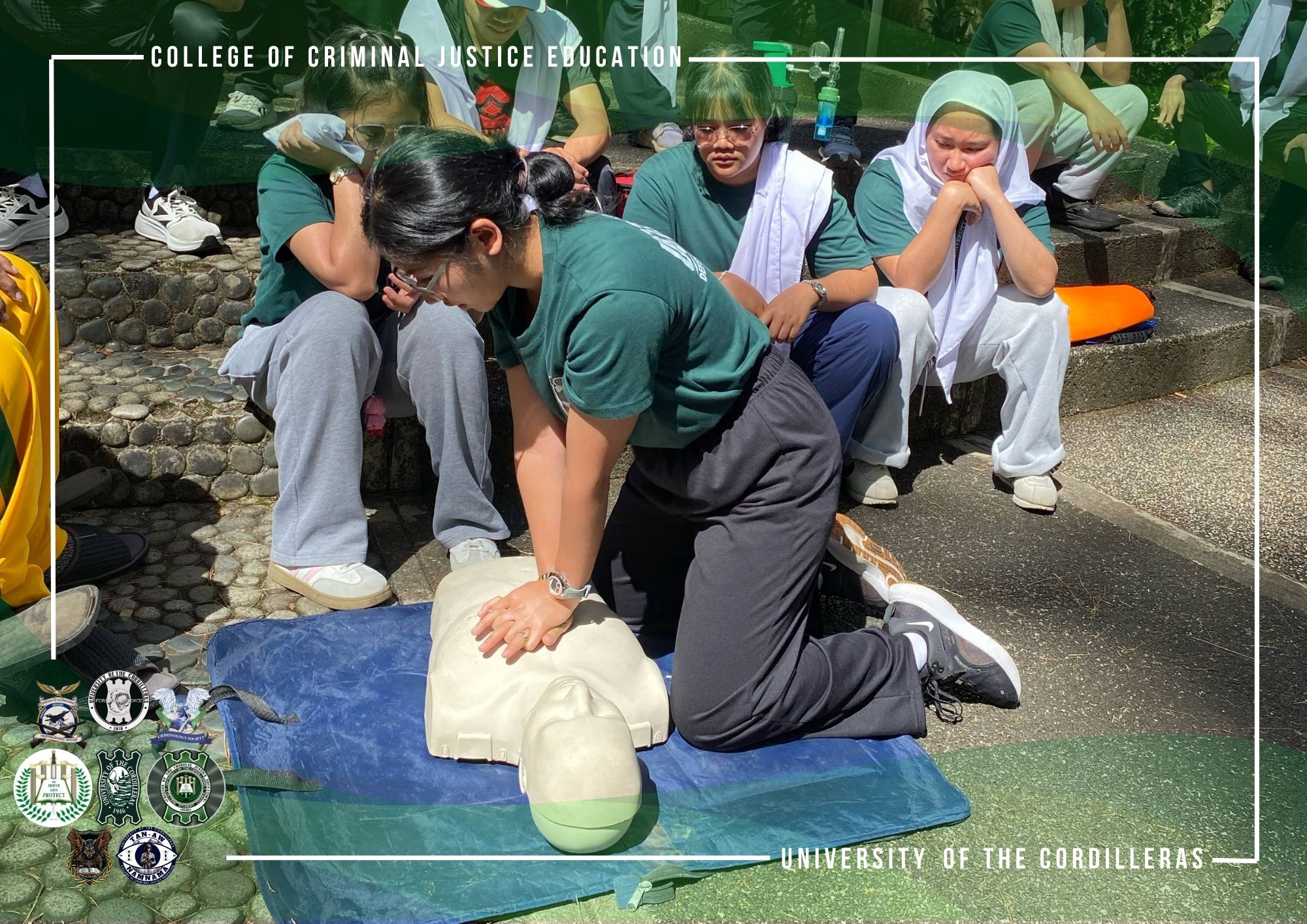
UC-CCJE Students Training in First Aid
Criminologists, forensic investigators, and future police officers are often among the first responders in crime scenes, accident sites, disaster operations, and emergency rescue situations. In many cases, victims may be critically injured, unconscious, bleeding, drowning, or experiencing cardiac arrest. Proper knowledge and actual hands-on training in first aid, BLS, and water safety ensure that these students can provide immediate care, stabilize a victim’s condition, and prevent further harm or death while waiting for emergency medical services.
Moreover, water-related incidents continue to be common in the Philippines due to its geographical structure, frequent typhoons, floods, and various coastal and river-based environments. Law enforcers may be deployed during rescue operations in flooding, maritime incidents, and water-related crimes. With proper training in water safety and survival, they are more physically prepared, confident, and capable of assisting during search and rescue missions without putting themselves or others at further risk.
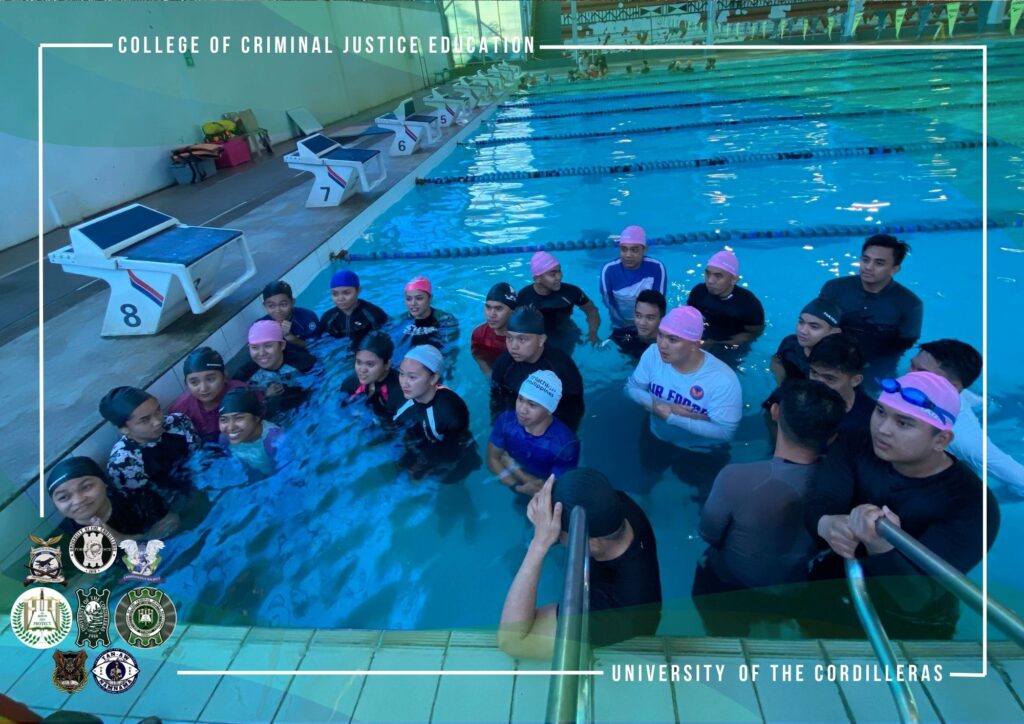
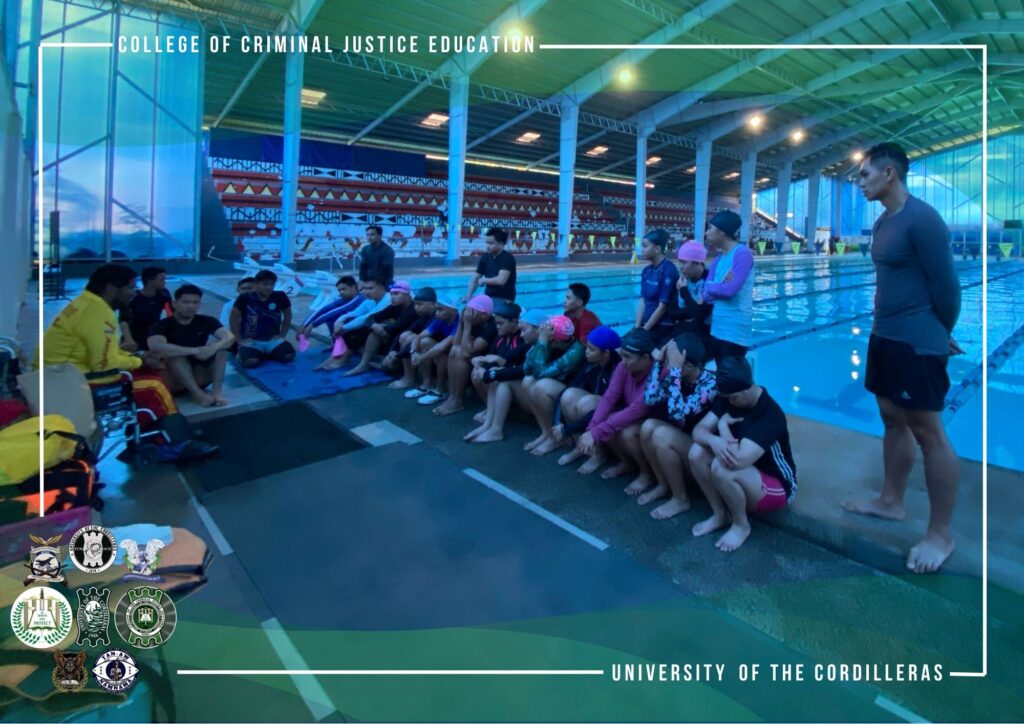
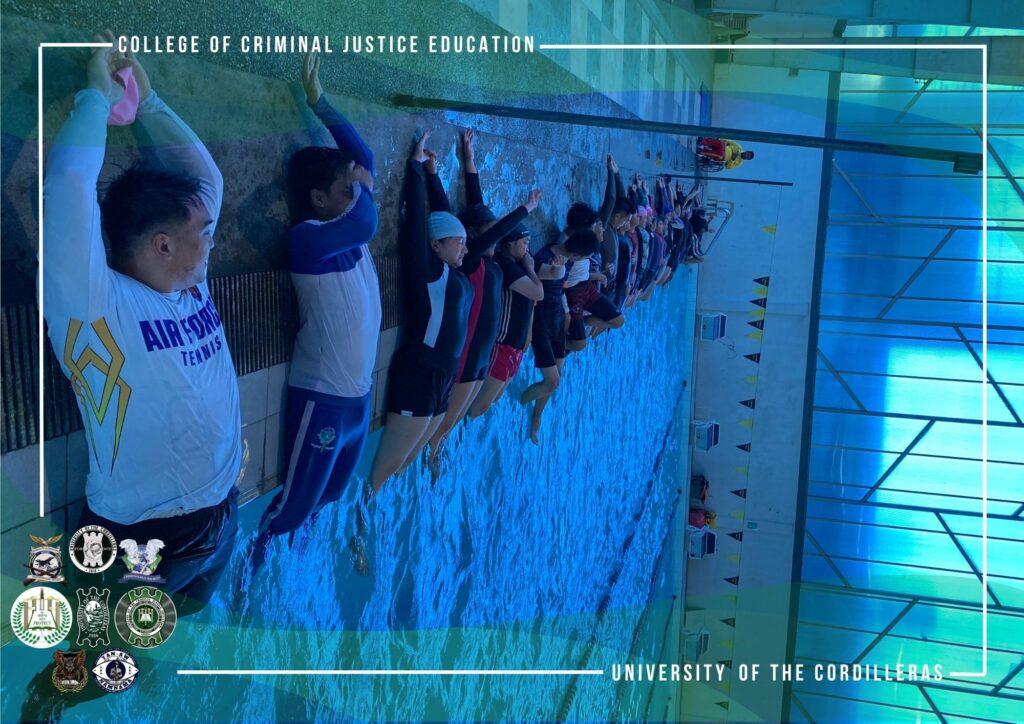
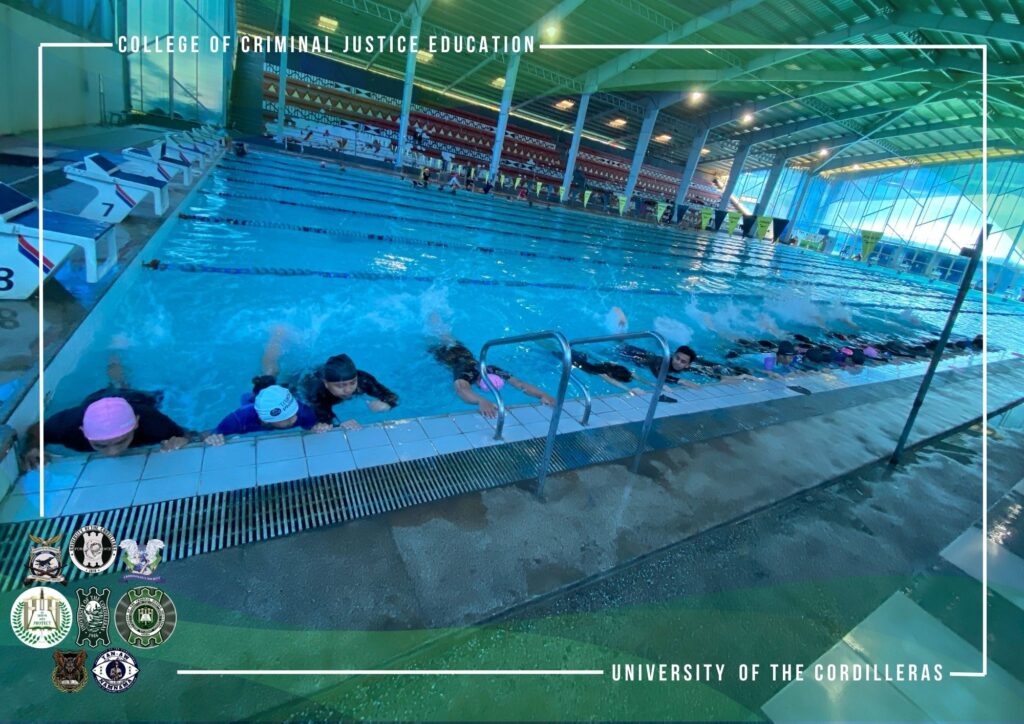
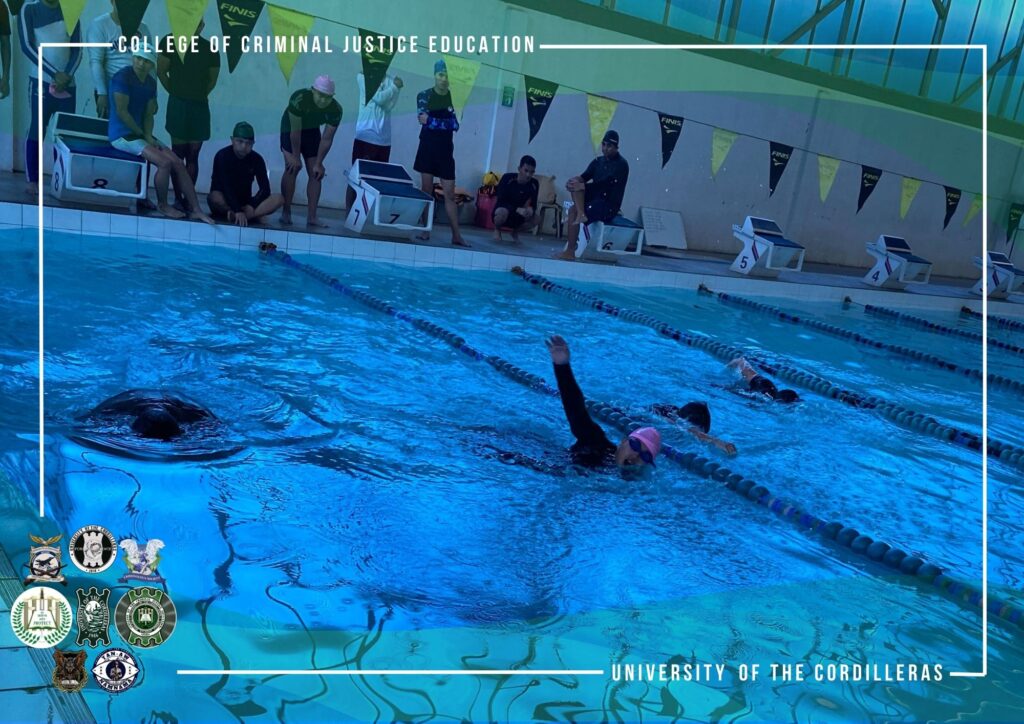
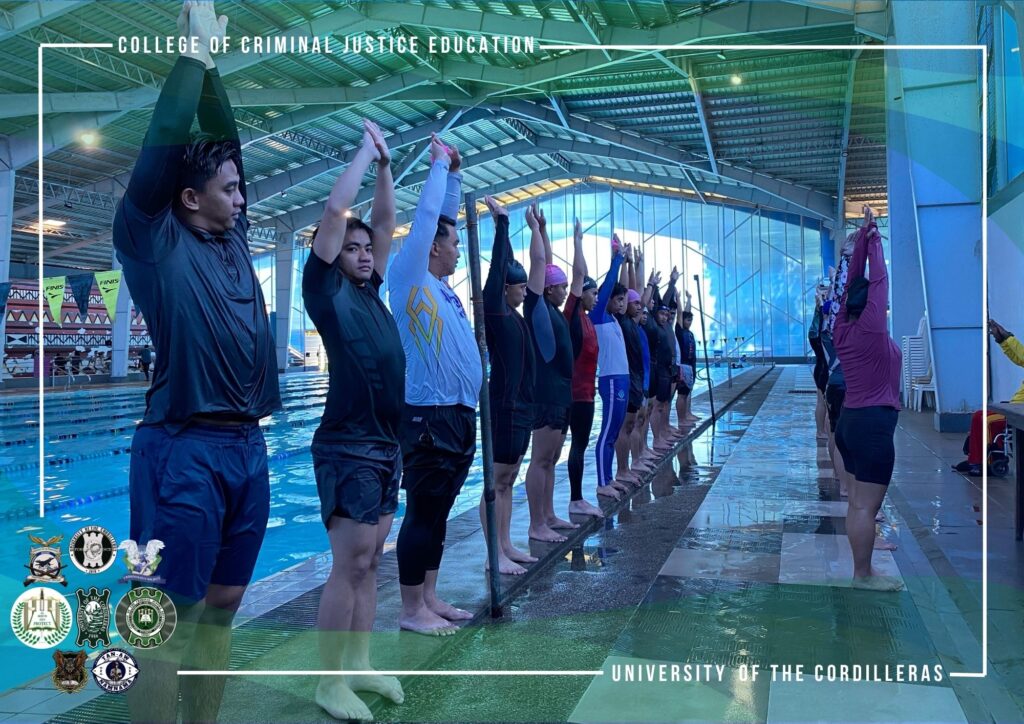
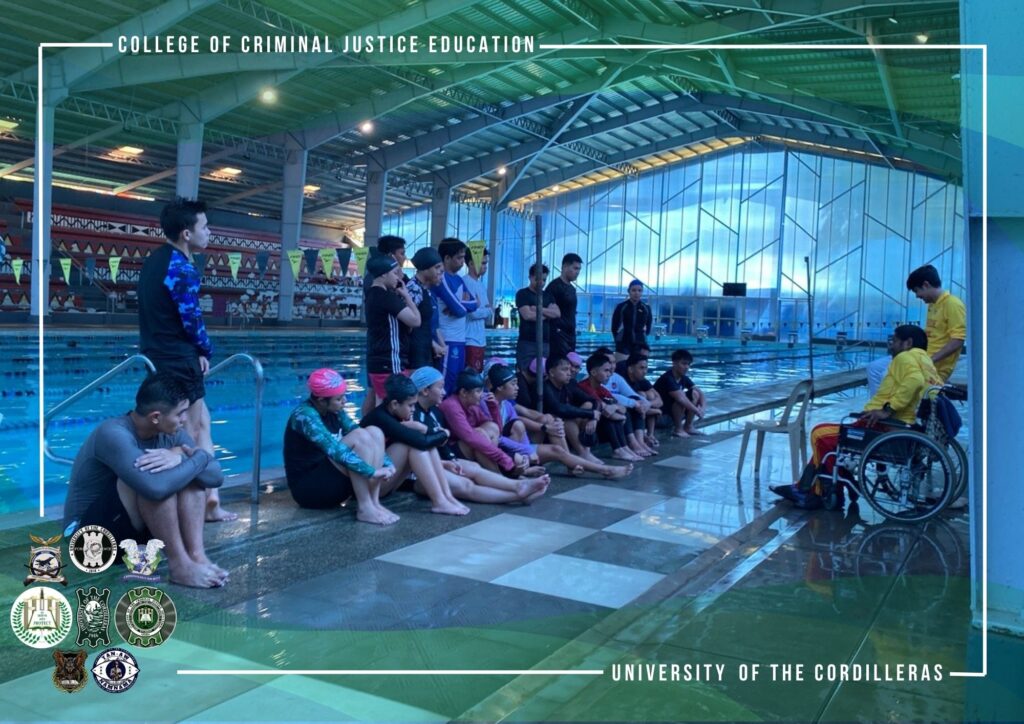
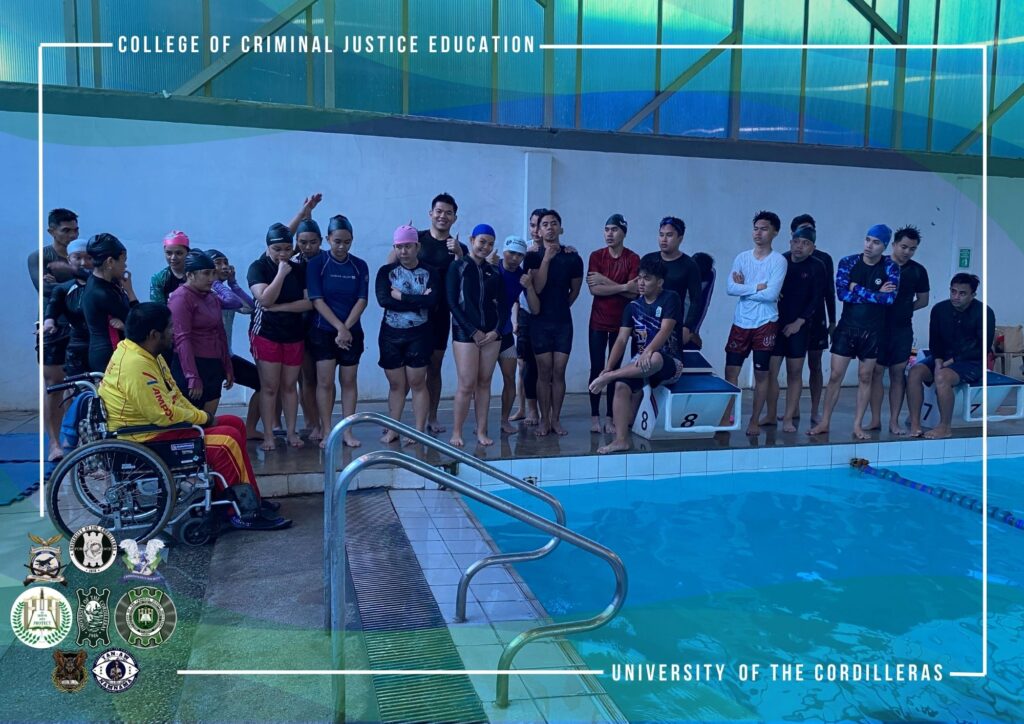
UC-CCJE Students Training in Water Survival
Having certified skills in first aid and BLS also strengthens their professional credibility. These competencies are aligned with the roles, standards, and expectations for law enforcement in the community. It demonstrates preparedness, social responsibility, discipline, and professionalism — qualities that are vital to public safety and public trust.
In conclusion, first aid, basic life support, and water safety training are not just academic requirements for criminology and forensic science students. These are practical skills that form part of their duty to protect life, respond efficiently in emergencies, and contribute to public safety. As future law enforcers, being equipped with these skills can make the difference between life and death and prepares them for the real challenges and responsibilities of their future profession.
The training supports SDG 3 (Good Health and Well-being) by enabling future law enforcers to provide immediate care and stabilize victims, which prevents further harm or death while waiting for medical services. It also aligns with SDG 11 (Sustainable Cities and Communities) because skills in water safety and survival are critical for responding to frequent floods and typhoons, ensuring professionals can conduct rescue missions without putting others at risk. Finally, these competencies align with SDG 16 (Peace, Justice, and Strong Institutions) as they strengthen professional credibility and demonstrate the social responsibility and professionalism vital for maintaining public trust.